How to Wear TerracottaEarth-Toned Elegance
Terracotta is the color of sun-baked clay, Tuscan rooftops, and desert sunsets — and it has become one of the most sought-after fashion colors precisely because of that association with warmth, travel, and natural beauty. But terracotta is a demanding color. It is warm, earthy, and distinctly orange-brown, which means it amplifies warmth wherever it sits. On the right undertone, that amplified warmth looks healthy and sun-kissed. On the wrong undertone, it looks muddy and unflattering.
Discover Your ColorsWhy Terracotta Is a Warm-Undertone Color
Terracotta is a warm color at its core — it is made from red, orange, and brown, all of which sit on the warm side of the color wheel. When terracotta fabric reflects light onto your skin, that light is distinctly warm. For warm-toned skin — golden, peachy, olive — this warm reflected light adds a harmonious sun-kissed quality. For cool-toned skin — pink, rosy, blue-toned — this same warm light creates a sallow, yellowish cast that fights the skin's natural coolness.
This is why terracotta is one of the most undertone-polarizing colors in fashion. People with warm undertones often call it their favorite color because it makes them look effortlessly healthy. People with cool undertones often describe it as the color that makes them look sick. Both experiences are valid — they are experiencing the same color through different undertone lenses.
Saturation and depth also matter. Bright, vivid terracotta is more orange and works best on clear, warm coloring. Muted, dusty terracotta is more brown and works on soft, warm coloring. Deep terracotta is rich and works on deep warm coloring. The version that flatters you matches not just your undertone temperature but your contrast and saturation level.
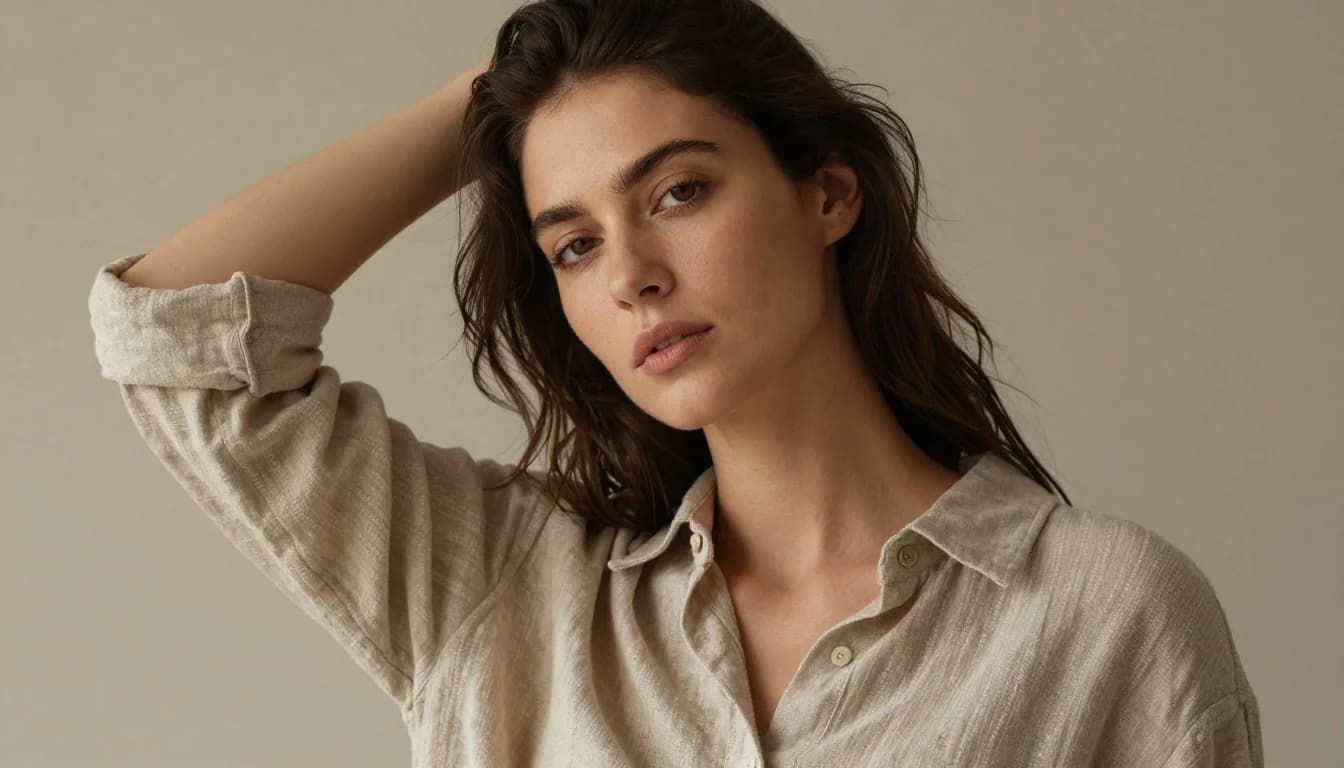
Your Best Terracotta by Undertone for Earth-Toned Elegance
Warm Undertone Terracottas
Warm undertones are terracotta's natural home. True terracotta — the balanced red-orange-brown of fired clay — looks naturally beautiful against golden or peachy skin. Warm clay is slightly lighter and more casual. Rich rust-terracotta has extra depth for dramatic impact. Burnt sienna is the richest, most saturated option. All reflect warm light that enhances your natural golden quality.
Neutral Undertone Terracottas
Neutral undertones can wear terracotta if the shade is muted enough to prevent temperature overwhelm. Muted terracotta has enough brown to tone down the orange. Soft clay is gentle and easy. Warm rose-brown bridges terracotta and rosy tones for neutral skin. Dusty terracotta has a desaturated quality that prevents the color from reading as too aggressively warm.
Olive Undertone Terracottas
Olive skin responds beautifully to terracotta because both share earthy warmth. Deep clay complements olive skin's green-yellow undertone without creating sallowness. Warm brick adds structured warmth. Earthy rust has the depth olive coloring loves. Rich terracotta provides warm contrast that makes olive skin look vibrant and healthy rather than green-tinged.
Colors That Balance Terracotta
Terracotta needs grounding partners. Cream and terracotta is warm, natural, and elegant — the combination feels Mediterranean. Dark navy provides sophisticated cool contrast. Olive green creates a rich, earthy palette. Warm white keeps terracotta fresh without the starkness of cool white. All four prevent terracotta from becoming an overwhelming wall of warmth.
Ready to Find Your Best Colors?
Get Your Color AnalysisHow to Style Terracotta Across Seasons
Terracotta in Autumn
This is terracotta's natural season. A terracotta wool sweater with dark denim. A terracotta linen blazer over cream. A terracotta scarf with a navy coat. Autumn light enhances terracotta's warm, earthy tones, making the color look richer and more dimensional than any other time of year. Build your autumn capsule with terracotta as one of two or three core colors.
Terracotta in Summer
Terracotta translates to summer through lighter fabrics and lighter shades. A terracotta linen shirt with white shorts. A soft clay cotton dress with sandals. A terracotta bikini against sun-kissed skin. Summer terracotta should feel breezy and relaxed, not heavy. Choose lighter, less saturated terracottas and pair with crisp white or denim for summer freshness.
Terracotta for Work
A terracotta blouse with navy trousers is sophisticated and memorable. A terracotta pencil skirt with a cream silk shirt signals refined taste. A terracotta blazer over a white tee and dark trousers is modern and authoritative. At work, terracotta reads as confident and warm — approachable authority. Keep pairings polished with structured silhouettes.
Terracotta + Gold Accessories
Terracotta and gold is one of the most naturally luxurious color-metal combinations. Gold jewelry, gold-buckled sandals, and warm metallic accents amplify terracotta's earthy warmth and add a touch of richness. Silver fights terracotta's temperature. Rose gold harmonizes. But true yellow gold is the ideal metallic partner for terracotta pieces.
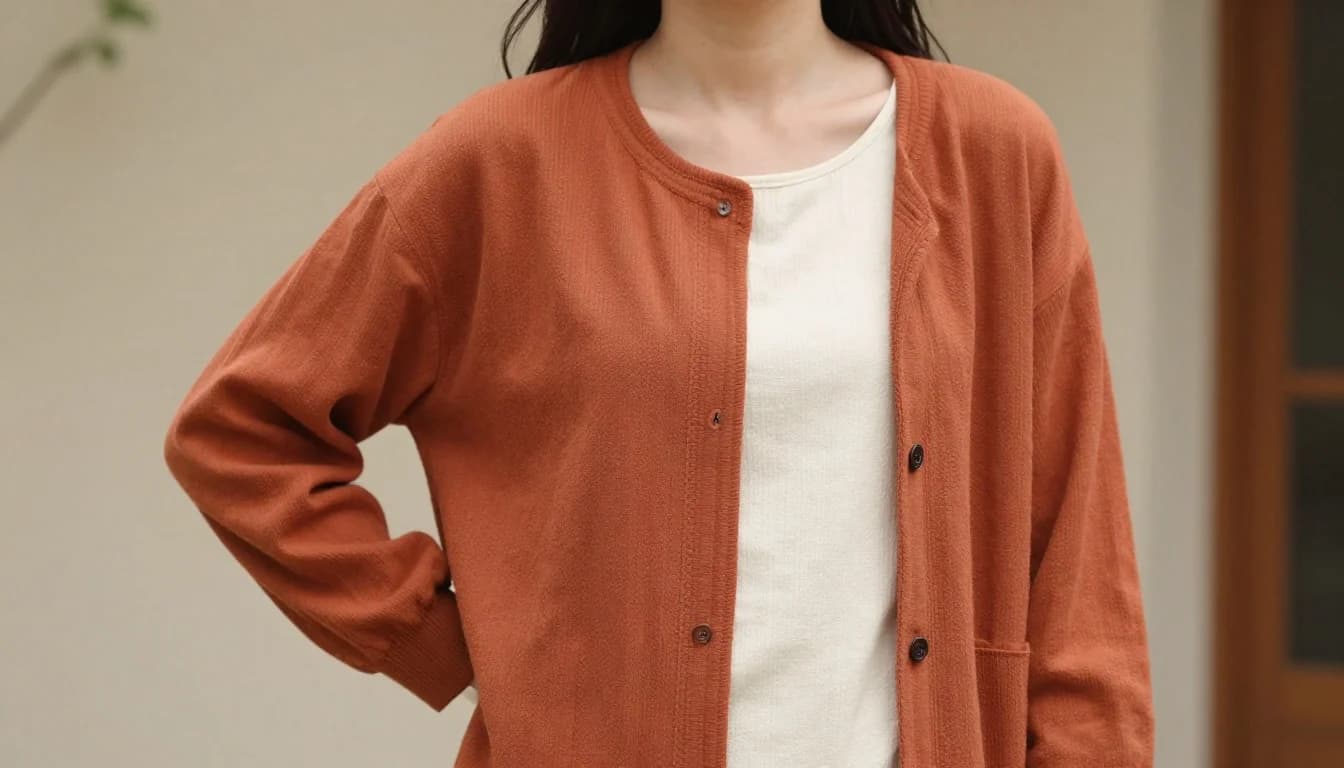
Terracotta Pitfalls to Avoid
Terracotta near the face on cool undertones
Cool-toned skin lacks the warmth needed to harmonize with terracotta's orange-brown reflected light. The result is a sallow, yellowish cast around the face that looks unwell. If you love terracotta and have cool undertones, wear it in trousers, skirts, or accessories below the face — never as a top or scarf directly against your skin.
Terracotta with cool pink or fuchsia
Terracotta and cool pink create a sharp temperature clash — the warm earthiness of terracotta fights the cool brightness of pink. The combination looks unintentional and uncomfortable. If you want warmth and pink together, try terracotta with dusty rose (which has warmth) rather than with cool fuchsia (which does not).
Too much terracotta in one outfit
Terracotta head-to-toe — terracotta top, terracotta trousers, terracotta shoes — creates a monochrome warmth overload that overwhelms the eye. Terracotta is a statement earth tone, not a full palette. Use it as one piece or two pieces maximum, paired with contrasting neutrals or complementary colors.
Cheap or synthetic terracotta fabric
Terracotta in polyester or cheap synthetic fabric loses its earthy, organic quality and instead looks flat and plastic. Terracotta needs natural texture to look beautiful — linen, cotton, wool, knit. The color's entire appeal is its connection to earth and clay. A synthetic version severs that connection and looks cheap.
Stop Guessing, Start Wearing Your Colors
Discover Your PaletteTerracotta Styling Swaps
Make terracotta work harder in your wardrobe with these targeted swaps.
Brown is safe but visually dead. Terracotta has the same earthy warmth with added life and vibrancy. It is brown with personality.
Moving terracotta below the face eliminates the undertone clash. You still wear the color you love without the draining effect near your skin.
Heavy-weight deep terracotta feels wrong in summer heat. Light terracotta in airy fabric captures the same earthy warmth while feeling seasonally appropriate.
Fuchsia and terracotta clash in temperature. Cream, navy, and olive are all natural terracotta partners that create harmonious warmth without visual tension.
Silver adds cool contrast that fights terracotta warmth. Gold amplifies and enriches the earthy quality, creating a cohesive warm story from head to accessories.
Natural fabrics preserve terracotta earthy, organic quality. Synthetic fabric makes the same color look plastic and cheap. The material matters as much as the shade.
Your Best Terracotta by Season
Terracotta is primarily a warm-season color — Autumn and Spring palettes wear it most naturally. Here are the seasons where terracotta shines:
Warm Autumn
Learn moreTerracotta is one of your absolute signature colors. True terracotta, warm clay, rich rust, and burnt sienna all belong in your core palette. Your warm, deep coloring harmonizes perfectly with terracotta earthy warmth. Wear it freely and frequently — it will always make you look healthy and grounded.
Soft Autumn
Learn moreYour terracotta is muted, dusty, and softened — dusty terracotta, muted clay, and warm rose-brown. These gentle versions match your muted warmth without overwhelming your soft contrast. Avoid vivid or bright terracottas that overpower your gentle coloring.
Warm Spring
Learn moreYour terracotta is lighter, brighter, and more vivid — bright clay, warm peach-terracotta, and light rust. Your clear, warm coloring needs terracotta with more lightness and less muddiness than autumn versions. Think sun-baked rather than kiln-fired.
Find Your Perfect Terracotta
Terracotta is one of fashion's most beautiful colors — but it is firmly warm, and the shade that works depends entirely on your undertone, contrast, and saturation. A personalized color analysis identifies whether terracotta belongs near your face or below it, and which specific shade — muted, vivid, light, or deep — creates the most flattering effect on your individual coloring.
Get Your Color AnalysisFrequently Asked Questions About Earth-Toned Elegance
Can cool undertones wear terracotta?
Cool undertones should generally avoid terracotta near the face, where its warm reflected light creates a sallow cast. However, you can wear terracotta in trousers, skirts, shoes, and bags — below the face where undertone conflict is not visible. Muted, slightly pinkish terracotta shades are the most tolerable for cool skin.
What colors go with terracotta?
Cream is the most elegant partner — warm, natural, and Mediterranean in feel. Dark navy provides sophisticated contrast. Olive green creates a rich earth palette. Warm white keeps things fresh. Denim blue grounds terracotta for casual wear. Gold accessories amplify warmth. Avoid cool pink, fuchsia, and silver with terracotta.
Is terracotta the same as rust?
They are closely related but distinct. Terracotta has more brown and orange — it references fired clay. Rust has more red-orange — it references oxidized metal. Terracotta is earthier and softer. Rust is more vibrant and warm. In practice, they occupy similar wardrobe territory and flatter similar undertones.
Can you wear terracotta in winter?
Absolutely. Deep terracotta in wool, cashmere, or knit is a beautiful cold-weather option. A terracotta sweater with dark jeans, a terracotta scarf with a navy coat, or a terracotta knit dress with boots all work well. Terracotta adds warmth to winter wardrobes dominated by grey, black, and navy.
What undertone is terracotta?
Terracotta is warm. It contains red, orange, and brown — all warm colors. There is no cool version of terracotta. The closest cool alternative would be dusty rose or mauve, which have the muted earthy quality without the orange warmth. If terracotta clashes with your skin, dusty rose is your swap.