Engagement Photo Colors That MakeYou Both Glow
Engagement photos live forever — framed on mantels, printed in programs, shared across every screen your families own. The colors you wear determine whether you look radiant and natural or washed out and dated in those images. For warm undertones, the right palette makes golden skin luminous, brings warmth to every frame, and creates photos that look effortlessly beautiful for decades. The wrong colors drain that warmth and flatten your complexion under any lighting.
Discover Your ColorsWhy Warm Undertones Need Specific Photo Colors
Camera sensors capture color differently than the human eye — they amplify color temperature contrasts and flatten subtle warmth. This means warm undertones need clothing colors that actively reinforce golden-warm skin tones rather than relying on the camera to do the work. Colors that look fine in person can read as sallow, muddy, or flat in photographs if they introduce the wrong temperature or saturation.
The golden hour light that most engagement photographers favor is inherently warm — it bathes everything in amber tones. Warm undertones under warm light in warm-toned clothing creates a harmonious glow that cameras love. But cool-toned clothing under warm light on warm skin creates a discord the camera picks up as dullness. Dusty blue works because it is muted and complementary. Stark white fails because it bounces cool light onto warm skin.
Coordination between partners matters too. Engagement photos are about the couple, not matching outfits — but the colors should exist in the same visual world. If you have warm undertones, your outfit colors should anchor the couple's palette in warmth while your partner's colors complement without clashing. Earth tones, warm neutrals, and muted accent colors create this harmony effortlessly.
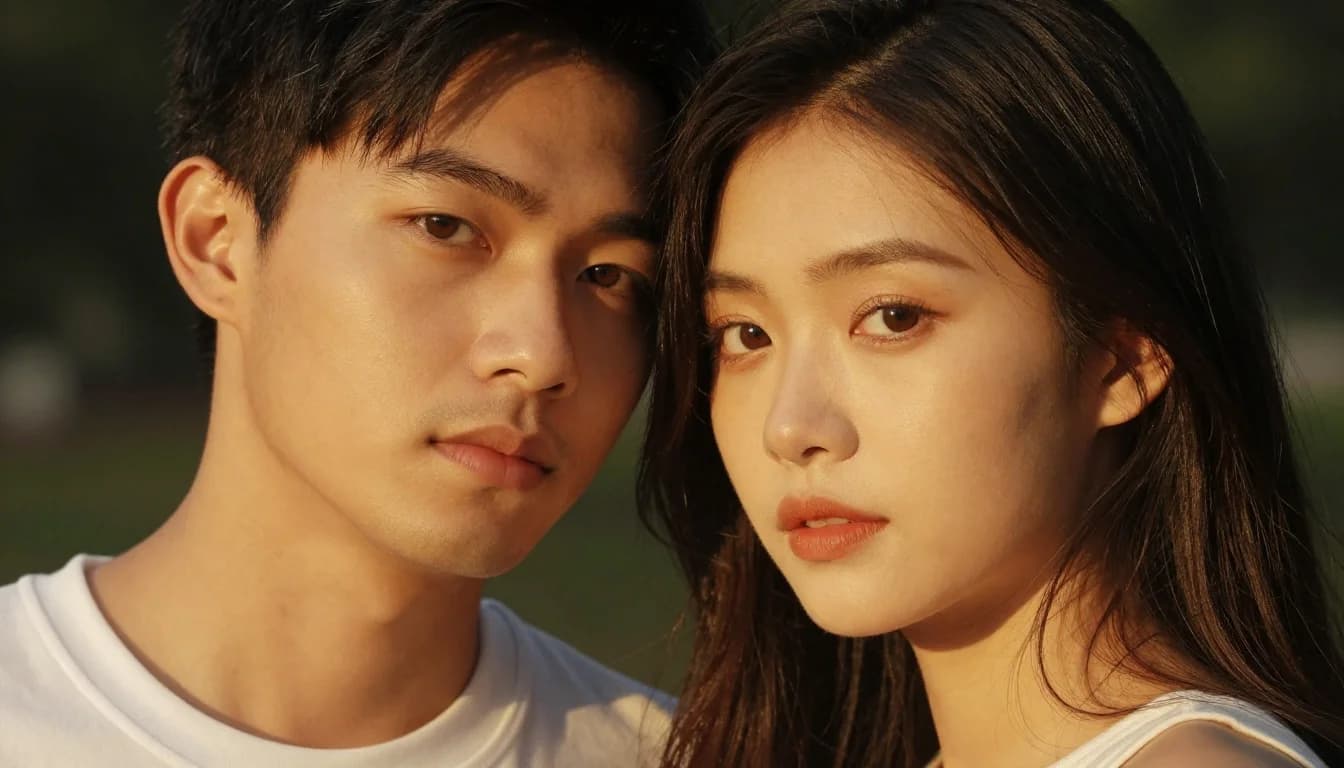
Your Best Engagement Photo Colors for You Both Glow
Warm Earth Tones
Earth tones are warm undertones' most universally flattering engagement photo palette. Warm terracotta photographs beautifully in golden hour light and makes warm skin glow. Soft rust adds depth without heaviness. Camel is the perfect neutral that reads as intentional rather than plain on camera. Warm olive provides an earthy richness that pairs beautifully with natural outdoor settings — fields, forests, vineyards.
Soft Warm Accents
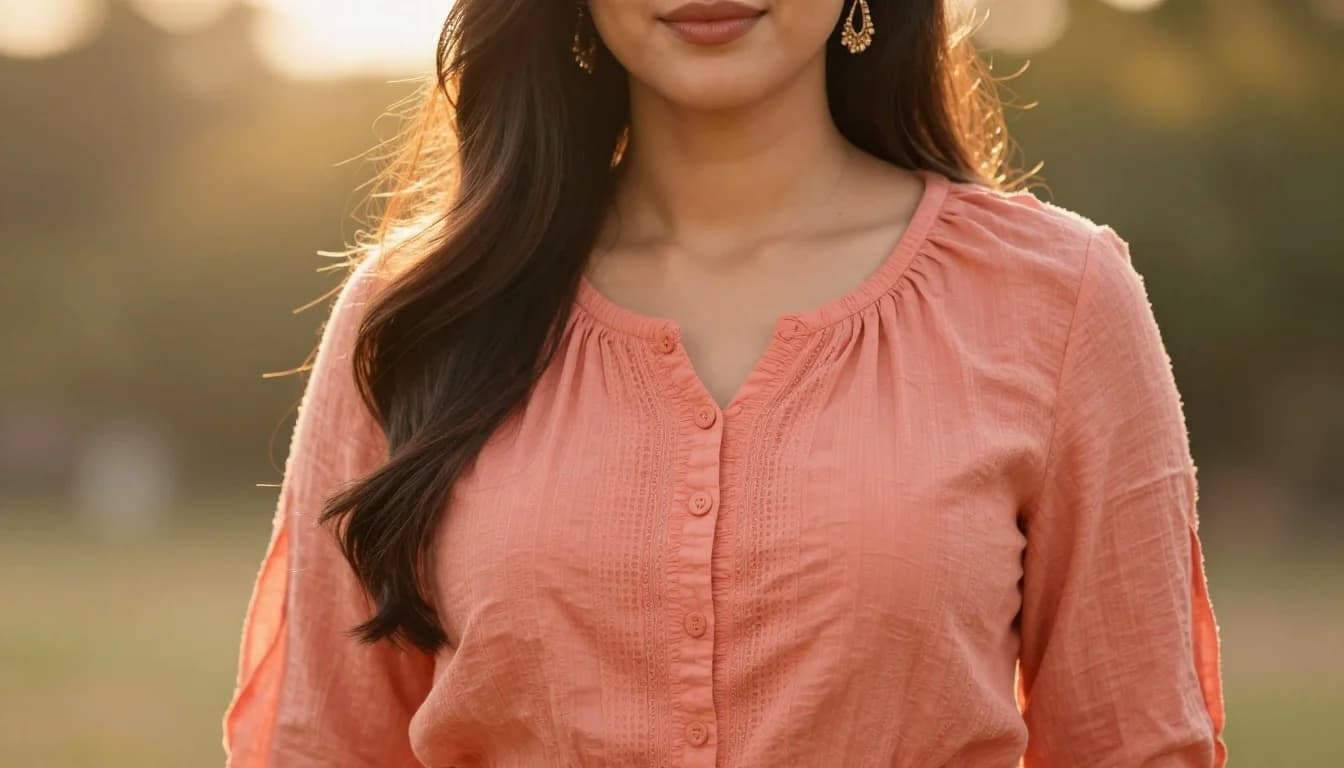
These romantic, warm-toned accents add color without overwhelming the frame. Soft coral is one of the most photogenic colors for warm undertones — it adds a flush of warmth that the camera reads as radiance. Dusty rose provides romance with warmth. Warm peach is fresh and flattering under any lighting. Muted apricot creates a soft glow that looks beautiful in close-up couple portraits.
Complementary Muted Tones
Muted cool tones work beautifully as complementary accents for warm undertones in photos — the key word is muted. Dusty blue is the classic engagement photo color for a reason: it provides visual interest without competing with warm skin. Sage green harmonizes with outdoor settings. Muted lavender adds a whisper of color contrast. These work especially well as the partner's color while you wear warm tones.
Warm Photo Neutrals
Every engagement photo wardrobe needs a warm neutral anchor. Warm ivory reads as fresh and bridal-adjacent without being stark. Cream has depth and warmth that photographs beautifully. Warm taupe grounds an outfit in a way that black cannot for warm undertones. Soft beige layers easily and creates a tonal, editorial look that feels timeless in photos.
Ready to Find Your Best Colors?
Get Your Color AnalysisHow to Plan Your Engagement Photo Outfits
Build around one warm anchor color
Choose one flattering warm tone as your outfit's foundation — warm terracotta, soft coral, camel, or warm ivory. This becomes the visual anchor the photographer can work with. Your partner's outfit should complement this anchor without matching: if you wear soft coral, they might wear warm taupe or dusty blue. The couple should look coordinated but not costume-matched.
Layer with warm neutrals for dimension
Engagement photos benefit from layering because layers add texture and visual interest to the frame. A cream knit over a warm ivory dress. A camel blazer over dusty rose. A soft scarf in warm taupe. Keep all layers in your warm neutral family — cream, camel, warm ivory, soft beige — so nothing introduces temperature conflict in the photos.
Plan for the location and light
Beach and desert settings favor earth tones and warm ivory — they blend with the environment beautifully. Urban settings suit warm neutrals with one accent color. Forest and garden settings pair naturally with sage green, dusty blue, and warm terracotta. Ask your photographer about the light at your planned time — golden hour favors warm tones; overcast light is more forgiving of cooler muted shades.
Bring a second outfit in a different warm palette
Most engagement sessions include an outfit change. Make the second outfit different in mood but consistent in temperature. If your first look is a warm terracotta dress with camel accessories, your second might be warm ivory with dusty rose accents. Both are warm-toned; both photograph well; each tells a different story.
Engagement Photo Colors to Skip
Stark bright white
Bright optical white bounces harsh light onto warm skin, making it look yellow or sallow in photos. It also blows out easily in direct sunlight, losing all detail and texture. Warm ivory and cream provide the same fresh, clean look without the harshness — they absorb and reflect warm light that flatters your undertone.
Neon and highly saturated colors
Neon pink, electric blue, and vivid orange reflect colored light onto your face and your partner's face, creating unflattering color casts that are nearly impossible to correct in editing. They also date photos instantly. Muted, dusty versions of any color you love will photograph better and look timeless.
Cool black and charcoal
Black absorbs all light and creates harsh contrast against warm skin in photos. In golden hour light, black fabric looks heavy and out of place. Charcoal introduces a cool undertone that fights your warmth. Warm dark brown, deep camel, or warm taupe provide the same visual anchoring without the temperature conflict.
Icy cool tones: bright white, icy blue, cool pink
Icy colors with blue-cool bases create a visible temperature clash with warm undertones that cameras amplify. Icy blue makes warm skin look orange. Cool pink makes it look sallow. Every cool tone in your engagement outfit should be dusty and muted — dusty blue not icy blue, dusty rose not cool pink.
Stop Guessing, Start Wearing Your Colors
Discover Your PaletteEngagement Photo Color Swaps
Replace photo pitfalls with colors that actually flatter warm undertones on camera.
Stark white blows out in sunlight and makes warm skin look sallow. Warm ivory absorbs golden light and creates the same fresh, clean look with flattering warmth.
Cool pink fights warm skin in photos. Soft coral and dusty rose carry warmth that harmonizes with your undertone and looks romantic on camera without the color cast.
Matching black looks heavy and costumey in photos. A warm-cool complementary pairing creates visual interest and frames both faces with flattering tones.
Charcoal introduces cool weight that fights golden hour light. Camel and warm taupe add structure and warmth that photographs beautifully.
Black and silver pull cool against warm skin in close-up shots. Nude heels disappear elegantly; gold jewelry amplifies the warmth cameras love.
Bold patterns distract from faces and can create moire effects on camera. Solid warm tones keep the focus on you and photograph cleanly at any distance.
Seasonal Palettes for Warm Undertones
Warm undertones span multiple seasonal palettes, and your specific season determines whether your engagement photos look best in muted earth tones, clear warm brights, or rich deep warm shades.
Warm Autumn
Learn moreIf your best colors are muted and earthy — terracotta, olive, warm brown, dusty coral — you are likely a Warm Autumn. Your engagement photos will look most stunning in rich earth tones under golden light.
Warm Spring
Learn moreIf you look best in clear, bright warm colors — vivid coral, warm peach, clear warm green — Warm Spring may be your match. Your engagement photos benefit from slightly more saturated warm tones.
Deep Autumn
Learn moreIf you have deeper coloring with warm undertones and look best in rich, saturated warm shades — deep terracotta, warm olive, dark camel — Deep Autumn engagement photos thrive in deeper earth tones.
Get Your Exact Engagement Photo Colors
The specific shade of coral, the exact warmth of your ivory, the precise dusty blue that makes your skin glow on camera — these distinctions can mean the difference between good engagement photos and stunning ones. A personalized color analysis identifies your warm-toned seasonal palette and gives you the exact colors that will make your engagement photos timelessly beautiful.
Get Your Color AnalysisFrequently Asked Questions About You Both Glow
What colors photograph best for warm undertones in engagement photos?
Warm earth tones (terracotta, camel, soft rust), warm soft accents (soft coral, dusty rose, warm peach), and warm neutrals (warm ivory, cream, warm taupe) photograph most beautifully on warm undertones. Dusty blue works as a complementary accent. Avoid stark white, black, neon colors, and icy cool tones that the camera amplifies into unflattering contrasts.
Should couples match outfits for engagement photos?
Coordinate, not match. If you have warm undertones, anchor the couple's palette in warmth — you in soft coral or warm terracotta, your partner in dusty blue, warm taupe, or cream. The outfits should exist in the same color world without being identical. Matching looks costumey; coordinated looks intentional and editorial.
Is white okay for engagement photos with warm undertones?
Warm ivory and cream are excellent — they read as white on camera but carry warmth that flatters your skin. Avoid stark optical white, which bounces cool light onto warm skin and blows out in direct sunlight. The difference is subtle in person but significant on camera, especially during golden hour.
What should I avoid wearing in engagement photos?
Avoid stark white, black, neon colors, busy patterns, logos, and icy cool tones. These either wash out warm skin, create harsh contrast, reflect unflattering color casts, or distract from your faces. Solid, muted, warm-toned pieces in natural fabrics photograph most beautifully and remain timeless.
Does the photo location affect what colors I should wear?
Yes. Beach and desert settings favor warm ivory, sand, and earth tones that blend with the landscape. Forest and garden settings pair beautifully with sage green, dusty blue, and warm terracotta. Urban environments suit warm neutrals with one accent color. Always consider the background palette and choose colors that complement rather than compete with the setting.