Best Plaid Colorsfor Warm Undertones
Plaid is one of the most colourway-dependent patterns in fashion — the exact same tartan grid reads entirely differently depending on whether its base tones are warm or cool. For warm undertones, the winning plaid palette draws from earth and autumn: rust, mustard, camel, burnt orange, burgundy, olive, and warm brown. These colours share the yellow-golden warmth that defines your undertone, so the pattern echoes your complexion rather than fighting it. A rust-and-camel flannel shirt or a mustard-and-olive tartan scarf creates an immediate resonance that makes the pattern look intentional and flattering rather than random.
Discover Your ColorsWhy Plaid Colorway Is Everything for Warm Undertones
Plaid is a grid of intersecting colours, and those colours have temperature — just like skin undertones. Warm-toned plaid uses yellowed, golden, and earthy pigments: rust, ochre, camel, burnt sienna, burgundy, and olive. Cool-toned plaid uses blue-based pigments: navy, slate, grey, icy green, and blue-red. When you wear a plaid whose temperature matches yours, the pattern and your complexion reinforce each other. When the temperatures conflict, the pattern sits awkwardly in front of your face rather than harmonising with it.
Warm undertones carry a golden, peachy, or yellow-tinged quality in the skin. This warmth responds positively to colours in the same temperature family. Rust brings out the golden warmth in fair warm skin; mustard resonates with the yellow quality in medium warm and olive skin; burgundy and rich brown add depth that grounds deeper warm complexions. The common thread is that every colour in a flattering warm plaid sits on the warm, yellow-red side of the colour wheel.
Plaids built on cool tones — navy and grey Scottish tartan, slate and blue-green flannel — introduce a cool temperature that creates visual tension with warm skin. The coolness of the pattern can pull yellow tones in warm skin to the surface in an unflattering way, making the skin look sallow or the plaid look out of place. Choosing warm-toned plaids eliminates this tension entirely.
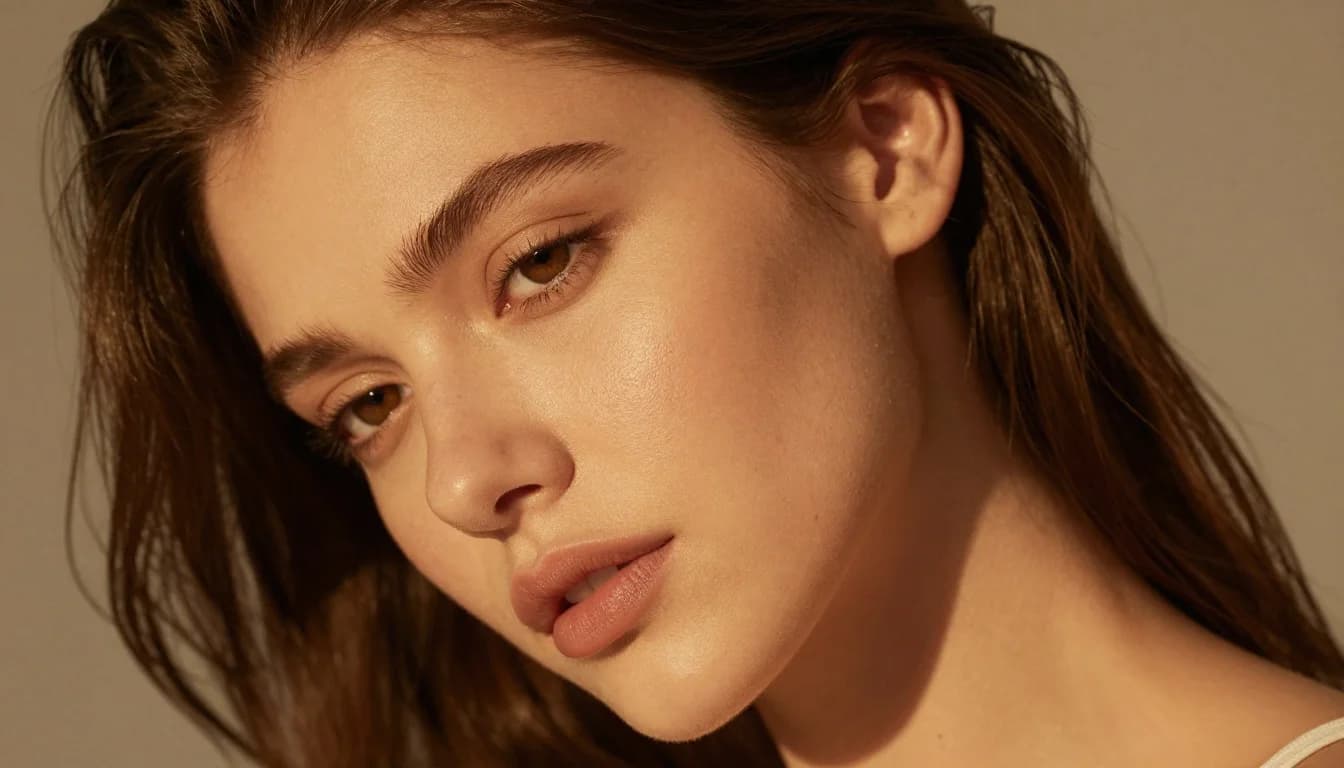
Your Most Flattering Plaid Color Families for for Warm Undertones
Rust, Burnt Orange, and Camel
Rust-and-camel plaids are the warm-undertone sweet spot. Rust is a deeply warm, yellow-red colour that resonates directly with golden undertones, and camel provides a lighter warm neutral that softens the grid without cooling it down. This combination works particularly well for light-to-medium warm complexions where the contrast level of the plaid matches the natural contrast of the coloring. A rust-and-camel tartan flannel worn near the face immediately creates a glowing warmth effect.
Mustard, Olive, and Brown
Mustard and olive are two of the most flattering colours for warm undertones, and they pair naturally in plaid form. Mustard brings yellow warmth; olive is a muted, warm-toned green that reads as earthy rather than cool; warm brown anchors the combination. This palette suits medium-to-deep warm undertones particularly well — the earthiness of the combination matches the depth and warmth of olive and tan complexions, creating a grounded, cohesive look.
Burgundy, Wine, and Camel
Burgundy is a warm red with enough depth to add richness without coolness — it sits firmly on the yellow-red side of the spectrum. Paired with camel or warm cream in a plaid grid, it creates a sophisticated warm-toned pattern that works across all warm complexion depths. For lighter warm skin, the contrast of burgundy and camel creates a clean, classic look. For deeper warm or olive skin, a richer burgundy and dark brown plaid adds depth that feels powerful rather than overwhelming.
Warm Neutrals: Tan, Brown, Cream
An all-warm-neutral plaid — tan, brown, and cream in a simple grid — is the most versatile warm-undertone plaid option. It lacks the colour drama of rust or mustard plaids but makes up for it in wearability. This palette works in every context from casual to smart, pairs with virtually any warm-toned piece in your wardrobe, and creates a cohesive low-contrast look that flatters every warm undertone depth. It is the plaid equivalent of a warm neutral wardrobe.
Ready to Find Your Best Colors?
Get Your Color AnalysisHow to Wear Warm Plaid in Real Life
The classic flannel shirt
A rust-and-camel or mustard-and-brown flannel shirt worn open over a warm-white or cream tee is one of the most effective warm-undertone plaid outfits. The plaid sits near the face where its warm tones can interact directly with your undertone, creating the glow effect that correctly-coloured plaid produces. Keep the rest of the outfit in warm neutrals — dark olive chinos or camel trousers — to maintain temperature consistency throughout.
Plaid as outerwear
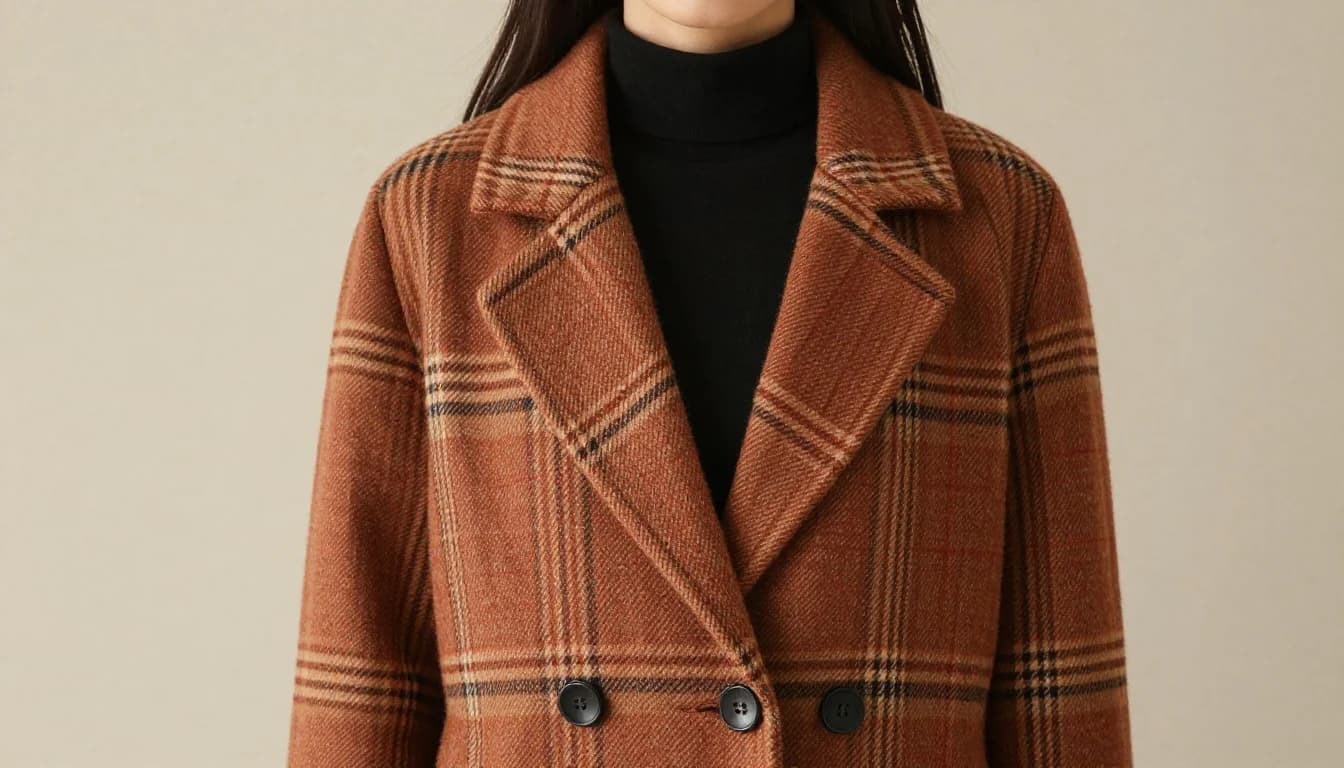
A warm plaid coat or overshirt in burgundy-and-camel or rust-and-brown is a striking outerwear option for warm undertones. At coat scale, the warm tones create a bold visual statement that still harmonises with golden complexions. Pair with warm-toned knitwear and dark brown or tan boots to extend the warmth through the entire look.
Plaid accessories
A mustard-and-olive or rust-and-cream plaid scarf worn near the face gives you the warm resonance effect in a lower-commitment format. Warm plaid scarves work with virtually any warm-toned outfit — camel coats, brown leather jackets, olive field jackets — adding pattern interest without requiring a full plaid garment.
Mixing plaid with warm solids
Warm plaids pair naturally with the solid colours they contain: a rust plaid shirt pairs with rust or camel trousers; a mustard plaid works with olive or brown. Pull one colour from the plaid for your solid pieces and the look becomes cohesive and intentional. Avoid pairing warm plaid with cool solids like navy or grey, which reintroduce the temperature conflict the plaid otherwise avoids.
Plaid Colorways That Work Against Warm Undertones
Navy and grey tartan
Navy-and-grey is the archetypal cool plaid — the blue and grey tones have no warmth and create a temperature conflict with golden undertones. Against warm skin, this combination tends to emphasise sallowness rather than the golden glow that warm-toned plaids bring out.
Black and white or black and grey plaid
High-contrast cool plaids in black and white or black and grey are stark and cool-toned. The absence of warm pigment makes them read as harsh against warm undertones, especially lighter warm complexions where the contrast is very visible at the neckline and face.
Icy blue and green flannel
Light blue and mint or icy green plaids are cool-dominant colourways that sit at odds with warm skin. The cool blue-green temperature reads against the yellow-gold quality of warm undertones, creating an unflattering juxtaposition.
Purple and grey plaid
Cool purple — blue-leaning rather than red-leaning — combined with grey has a distinctly cold temperature that does not complement warm undertones. Blue-purple pulls the cool qualities in skin forward rather than the warm ones.
Stop Guessing, Start Wearing Your Colors
Discover Your PalettePlaid Color Swaps for Warm Undertones
Trading cool plaid colorways for warm-toned alternatives that harmonise with golden skin.
Navy-black plaid is cool-dominant and creates temperature conflict with warm skin. Rust-camel resonates directly with golden undertones.
Grey-blue sits in the cool temperature family. Mustard-olive shares the warm temperature of golden undertones and glows near the face.
Black-white creates stark cool contrast against warm skin. Camel-brown delivers the same graphic grid pattern in a warm-toned version.
Charcoal is a cool neutral that pulls the temperature cool. Camel keeps the burgundy in warm territory throughout the coat.
Navy-green tartan is cool and contrasting against warm skin from the waist down. Warm brown-rust tartan maintains temperature harmony.
Grey-black is a cool, high-contrast combination. Tan-and-brown delivers pattern interest in warm-toned neutral territory.
Which Palette Might Be Yours?
Warm undertones span several seasonal palettes. The specific plaid depth and saturation that works best for you — from pale honey-and-cream to deep burgundy-and-espresso — depends on the overall depth and clarity of your coloring.
Warm Spring
Learn moreWarm Spring coloring is light, warm, and clear. The most flattering plaids are lighter-value warm colorways: honey and camel, peach and warm cream, soft rust and ivory. Avoid heavy, dark plaids — the depth overpowers the lightness of Warm Spring coloring.
Warm Autumn
Learn moreWarm Autumn coloring is deep, muted, and intensely warm — the ideal season for rich, earthy plaids. Mustard and olive, deep rust and brown, burgundy and camel all work beautifully. Warm Autumn types can carry heavier, more complex tartan patterns that would overwhelm lighter warm coloring.
Deep Autumn
Learn moreDeep Autumn types have the deepest warm coloring and can wear the richest, most saturated warm plaids: deep burgundy and espresso, dark rust and chocolate brown, hunter green and camel. The depth and intensity of the plaid matches the intensity of Deep Autumn coloring.
Find Your Exact Colors
Warm-toned plaid spans a wide range — from pale honey-and-cream to deep burgundy-and-espresso — and your ideal colorway depends on the specific depth, clarity, and warmth of your coloring. A personalised color analysis identifies exactly where you sit on the warm spectrum, giving you a precise palette that tells you which plaid colorways will make you glow and which to leave on the rack.
Get Your Color AnalysisFrequently Asked Questions About for Warm Undertones
What plaid colors are best for warm undertones?
The most flattering plaid colorways for warm undertones are built on rust, mustard, camel, burgundy, olive, and warm brown. These earthy, yellow-golden tones share the same temperature as warm undertones and create resonance rather than conflict. Avoid cool plaids in navy, grey, and black.
Can warm undertones wear tartan?
Yes — in the right colorway. Traditional Scottish tartans in navy and green are cool-dominant and can conflict with warm undertones. Tartans in red, burgundy, and green (with warm-toned green rather than cool blue-green) or in orange, brown, and cream work well. Focus on the temperature of the specific colors in the tartan rather than the pattern type.
Is flannel good for warm undertones?
Flannel plaid is excellent for warm undertones when chosen in warm colorways. Rust-and-camel, mustard-and-olive, and burgundy-and-brown flannels are all flattering. The key is avoiding the cool-dominant flannel colorways in navy-grey or black-and-grey, which are common but unflattering on warm skin.
What color plaid goes with olive skin?
Olive skin typically has warm, yellow-green undertones and looks best in plaid colorways built on mustard, olive green, warm brown, rust, and camel. These earthy tones mirror the warmth and depth of olive skin. Avoid cool blue-grey plaids, which can make olive skin look dull or sallow.
Can warm undertones wear black plaid?
Black-dominant plaids tend to be cool-toned due to the blue-black nature of most black pigments. If you want a high-contrast plaid, choose one where the dark element is dark chocolate brown rather than true black — dark brown reads as warm and creates the same visual contrast without the cool temperature conflict.
What plaid should warm undertones avoid?
Warm undertones should avoid plaids built on navy, slate, charcoal, icy blue-green, or cool grey. These cool-dominant colorways create a temperature conflict with golden undertones. Also avoid very high-contrast black-and-white plaids, which have a stark cool quality that works against warm skin.