How to Wear Sage Greenfor Your Skin Tone
Sage green has become one of the most sought-after colours in modern wardrobes — and for good reason. It sits at the intersection of cool and warm, muted and natural, earthy and refined. Sage is a grey-green: softer than olive, cooler than khaki, more grounded than mint. Its muted quality makes it remarkably versatile as a near-neutral, but that same mutedness means it flatters certain complexions far more than others. Muted undertones come alive in sage. Vivid coloring can look drained. Knowing your version of sage is the difference between looking effortlessly chic and looking faded.
Discover Your ColorsWhy Sage Green Works on Some Skin Tones and Not Others
Sage green is defined by its low saturation. It is green with the volume turned down — softened by grey, with a subtle warmth that keeps it from reading as cold. This muted, mid-tone quality resonates naturally with complexions that share those traits: soft, muted coloring with moderate contrast. Soft Autumn and Soft Summer types find sage to be one of their most reliable, everyday-wearable colours because it mirrors their natural colouring.
The challenge with sage is its quiet energy. On high-contrast or vivid coloring — deep winter types, bright spring types — sage can look flat and lifeless. The colour does not have enough saturation to compete with strong features. Instead of complementing, it recedes, making the overall look feel incomplete. Vivid complexions generally need brighter, more saturated greens like emerald or teal.
Sage's warmth-coolness balance is its secret weapon. It is not clearly warm or clearly cool, which is why it works on both Soft Autumn (warm-muted) and Soft Summer (cool-muted) complexions. It occupies a neutral-muted zone that few other colours achieve. This makes sage genuinely versatile for the complexions it suits — it pairs with warm tones (rust, camel, cream) and cool tones (navy, charcoal, lavender) equally well.
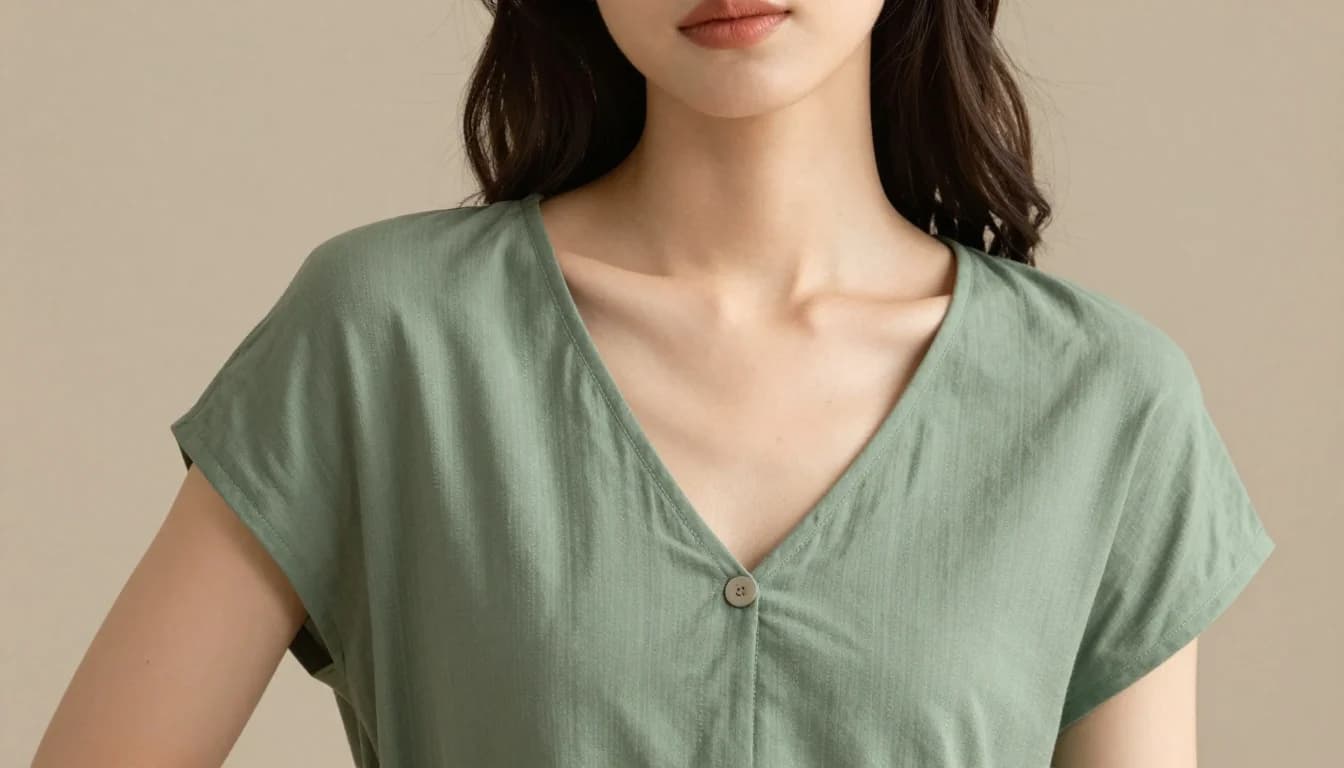
Shades of Sage Green That Work Best for for Your Skin Tone
True Sage
True sage is the classic version: a balanced grey-green that reads as neither warm nor cool. It is the most neutral shade in the sage family and the most versatile. True sage works as a wardrobe neutral on muted complexions — it pairs with almost everything and never competes. This is the shade that functions like grey or navy in a soft-toned wardrobe.
Warm Sage
Warm sage has a subtle golden or olive undertone that pushes it toward the earth-toned family. It flatters warm-muted complexions — Soft Autumn and Warm Autumn — where the warmth creates harmony with golden or peachy skin. Warm sage pairs beautifully with rust, chocolate, cream, and terracotta. It is the version that feels most grounded and autumnal.
Cool Sage
Cool sage leans slightly blue or silver, moving toward eucalyptus territory. This version flatters cool-muted complexions — Soft Summer and Cool Summer — where the cooler undertone matches the skin's temperature. Cool sage with grey or navy creates a soft, sophisticated cool-toned palette. It is fresher than true sage and works well in spring and summer wardrobes.
Deep Sage
Deep sage adds depth to the muted green family — it is darker and richer than standard sage. This version works on medium-to-deep muted complexions that need more contrast from their colours. Deep sage also bridges the gap toward olive and forest green, making sage accessible for complexions that find lighter sage too pale or washed out.
Ready to Find Your Best Colors?
Get Your Color AnalysisHow to Style Sage Green in Real Life
Pair with cream for everyday softness
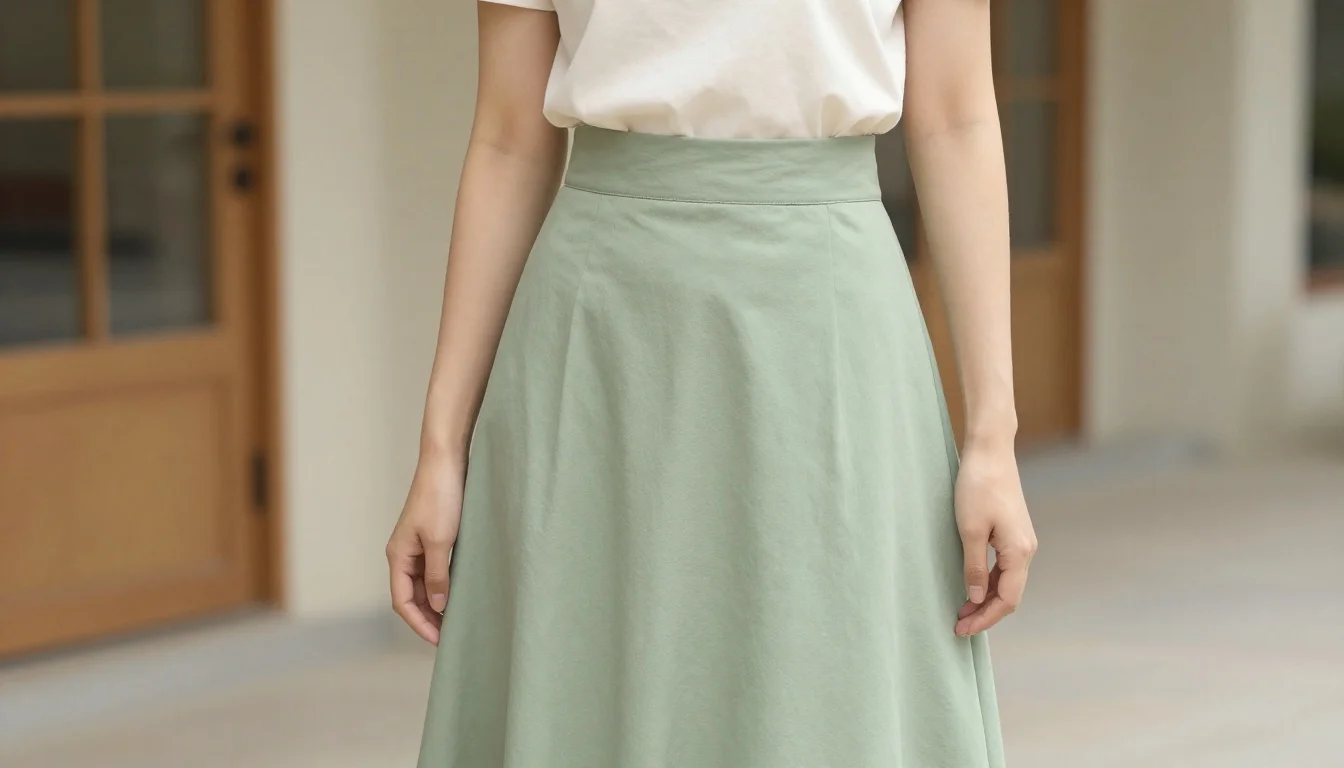
Cream and sage is one of the most reliably beautiful pairings in fashion. Cream provides warmth and light against sage's muted green. A sage linen shirt with cream trousers, or a cream knit over a sage midi skirt, creates a palette that is soft, natural, and effortlessly polished. This combination works across seasons and settings — it never looks forced.
Rust and sage for autumnal richness
Rust and sage are complementary in tone — warm earth against cool-warm green. A rust cardigan over a sage top, or sage trousers with a terracotta blouse, creates a rich autumn palette that feels grounded and intentional. This pairing works especially well on Soft Autumn and Warm Autumn coloring where both colours are already in the seasonal palette.
Blush pink for feminine contrast
Sage and blush pink create a soft, romantic pairing — the coolness of the green against the warmth of the pink provides gentle contrast without harshness. A sage blazer over a blush camisole or a blush scarf with a sage coat looks refined and thoughtful. This combination photographs beautifully and works for events where you want softness without predictability.
Chocolate brown for depth
Chocolate and sage ground each other. The brown provides depth and richness; the sage provides softness and colour interest. A chocolate leather belt with sage trousers, or a sage top tucked into chocolate wide-legs, looks polished and earthy. This combination reads as expensive and considered — two muted tones that clearly belong together.
Sage Shades That Work Against You
Very pale, washed-out sage on deep skin
Extremely pale sage — barely there, almost grey — lacks the depth to create meaningful contrast against deep skin tones. The colour fades into the background instead of complementing the complexion. Deep skin needs deep sage or richly muted green to create the contrast that makes the colour look intentional.
Grey-heavy sage on warm, golden skin
Sage that leans too heavily grey with no green warmth can create a sallow, tired effect on warm golden skin. The grey fights the warmth. Warm-undertoned complexions should choose sage with visible green warmth — olive-sage or earthy sage — rather than heavily greyed versions.
Bright mint labelled as sage
Some retailers call bright mint or seafoam 'sage' — but true sage is always muted. Bright, saturated green overwhelms muted coloring and defeats the purpose of sage's soft sophistication. If it looks vivid, it is mint or seafoam, not sage.
Stop Guessing, Start Wearing Your Colors
Discover Your PaletteWardrobe Swaps to Make Sage Work
Adjustments that take sage from flat to flattering on your specific coloring.
Pale sage lacks the saturation vivid coloring needs. Deep sage provides richness that stands up to strong contrast in your features.
Grey-heavy sage drains golden skin. Olive-sage shares your warmth and creates harmony rather than a sallow cast.
Yellow-warm sage can clash with pink, cool undertones. Blue-sage shares your skin's cool temperature and looks naturally cohesive.
Black is too harsh against soft sage and creates a jarring contrast. Charcoal and navy share sage's muted quality and create a polished, cohesive look.
Bright white makes sage look grey and washed out by contrast. Cream provides warmth that lets sage's green character show through.
Which Seasonal Palettes Wear Sage Green Best?
Sage green is a muted colour, so it naturally suits the muted seasonal palettes. Your season determines which version of sage — warm, cool, or neutral — flatters your coloring most.
Soft Autumn
Learn moreSoft Autumn has the deepest affinity for sage green. Their warm-muted coloring mirrors sage's earthy, softened quality perfectly. Warm sage, olive-sage, and earthy sage are all core Soft Autumn colours. For this season, sage functions as a true wardrobe staple — it pairs with cream, rust, chocolate, and gold effortlessly.
Soft Summer
Learn moreSoft Summers wear sage in its cooler versions: true sage, cool sage, and eucalyptus-sage. These share the muted, cool-neutral quality of Soft Summer coloring. The key is choosing sage with enough grey-coolness to match the skin's temperature. Soft Summer sage pairs beautifully with lavender, dusty blue, and soft grey.
Warm Autumn
Learn moreWarm Autumns can wear sage when it leans warm and earthy — olive-sage, yellow-sage, and deep warm sage. These versions share Warm Autumn's golden warmth. Very grey or cool sage will look flat on Warm Autumn coloring. The warmth and earthiness in the sage is what makes it work for this season.
Find Your Sage
Sage green rewards those who find their exact shade. On the right complexion, it is one of the most versatile, quietly elegant colours available — a near-neutral that adds colour interest without shouting. Whether your sage is warm and earthy, cool and silvered, or deep and rich, the right version elevates your entire wardrobe. A personalized colour analysis identifies exactly which sage belongs in yours.
Get Your Color AnalysisFrequently Asked Questions About for Your Skin Tone
Does sage green suit all skin tones?
Sage green suits muted skin tones best — Soft Autumn, Soft Summer, and Warm Autumn complexions. It can look flat or draining on vivid, high-contrast coloring that needs saturated colours. The muted, grey-green quality of sage resonates with complexions that share its softness. If your coloring is vivid, try emerald or teal instead.
What colours go with sage green?
Cream is sage's most natural partner. Rust and terracotta create autumnal richness. Blush pink provides feminine contrast. Chocolate brown adds grounded depth. Navy and charcoal work for polished looks. Avoid pairing sage with bright, saturated colours that overpower its muted quality.
Is sage green warm or cool?
Sage green sits in a neutral-muted zone between warm and cool. True sage is balanced. Some versions lean warm (olive-sage, earthy sage) and some lean cool (blue-sage, eucalyptus). This versatility is why sage works on both warm-muted and cool-muted complexions. It is one of the few colours that genuinely bridges the warm-cool divide.
Can you wear sage green in winter?
Absolutely. Deep sage, dark sage, and forest-sage are perfect for winter wardrobes. Pair with chocolate, burgundy, cream knits, or charcoal for seasonal richness. Lighter sage works better in spring and summer. The depth of the sage should match the weight of your winter wardrobe.
What is the difference between sage green and olive green?
Sage is greyer and softer — it has a dusty, silvered quality. Olive is warmer, darker, and more yellow-based. Sage reads as refined and muted. Olive reads as earthy and warm. They can look similar in certain fabrics, but sage has noticeable grey content while olive has noticeable yellow-brown content. Sage suits cool-muted types; olive suits warm-muted types more naturally.