How to Add ContrastWithout Looking Wrong
Low contrast coloring — where your hair, skin, and eyes are close in value — is beautiful, but it has one real risk: everything blending into everything. When colors are too close to your natural palette, you disappear. Here's how to create definition and presence without fighting your natural coloring.
Discover Your ColorsWhy Low Contrast Coloring Needs a Different Strategy
Low contrast coloring means the difference between your lightest and darkest features is small. Blonde hair with light skin and light eyes. Medium brown hair with medium skin and hazel eyes. The range is narrow. This is striking and elegant when dressed well — but when you add colors or patterns with too much contrast, it can look jarring and disconnected from your coloring.
The strategy for low contrast is not to fight your natural softness with hard contrasts — it's to create definition strategically. You add contrast through selective placement: a slightly darker color near your face to frame it, tonal layering within your palette, and occasional bright accents as focal points. Never blanket contrast.
High contrast looks (white shirt + black trousers) tend to create a visual 'chop' at the waist that cuts across a low contrast person's natural flow. The outfit becomes the story rather than you. The goal is to add enough visual interest that your face reads clearly, without the contrast overwhelming your natural softness.
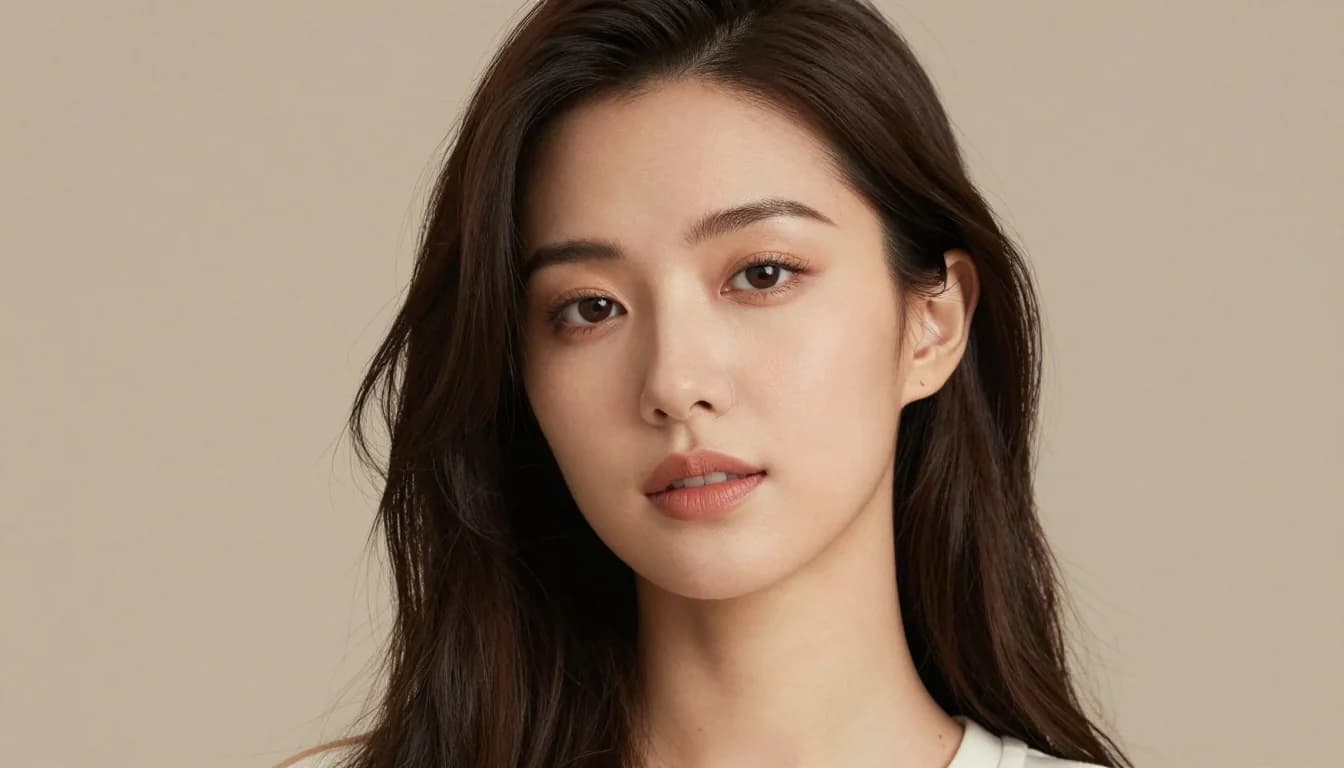
Contrast-Building Colors for Low Contrast Coloring for Without Looking Wrong
Tonal Color Blocking
Tonal color blocking — using two colors from the same family at different depths — creates contrast without shock. A camel cardigan over a cream shirt reads as deliberate contrast but stays within your softness range.
Strategic Darks
A strategic dark near your face — a deeper-toned jacket, a dark blouse collar — gives your features definition. Use the dark as an anchor point. This creates the contrast you need exactly where it's most impactful: framing your face.
Luminous Accents
Light accents near the face — a pale shirt under a darker jacket, a bright scarf — serve as a highlight. They lift your complexion and create brightness without the harshness of stark white.
Pattern Scales
Micro-patterns create visual texture and interest without adding hard color contrast. A fine stripe in your tonal palette adds dimension. Avoid bold, wide-contrast patterns like black-and-white stripes, which overwhelm low contrast coloring.
Ready to Find Your Best Colors?
Get Your Color AnalysisHow to Layer Contrast Strategically
The Frame Technique
Put your darkest note closest to your face — a dark jacket lapel, a dark collar, a dark scarf — and let the rest of the outfit be lighter. This frames your face with contrast exactly where it matters and draws the eye upward to your features.
Tonal Layering
Build depth within one color family rather than switching between very different colors. A light sage top under a medium sage jacket creates tonal contrast. It reads as sophisticated and deliberate — and it doesn't overwhelm your natural palette.
The One-Third Rule
Keep approximately one-third of your outfit at a notably different value from the rest. If two-thirds is your softer, lighter palette, the remaining third anchors with a slightly richer or darker note. More than this risks high contrast overwhelm; less risks invisibility.
Accessories as Contrast Points
Use accessories — a bag, a shoe, a belt — to introduce a contrasting element away from your face. A deep burgundy bag with a soft pink and cream outfit. A warm chocolate belt on a camel dress. These ground the look without competing with your complexion.
Contrast Mistakes That Overwhelm Low Contrast Coloring
All-over high contrast outfits
Stark black-and-white or navy-and-white head-to-toe creates a visual field so strong it overrides your natural coloring. Your face gets lost. Reserve high contrast for pieces away from your face, or add soft transitions.
Very dark colors that match your hair exactly
Wearing the same depth as your hair eliminates all contrast between your hair and outfit, making everything merge. If you have light ash brown hair, wearing ash brown everywhere flattens your look entirely.
Washed-out neutrals head-to-toe
The opposite mistake: wearing only pale, low-saturation neutrals makes a low contrast person essentially invisible. Some contrast — at least one note that is richer or deeper than your palest shade — is necessary.
Bold geometric prints
Large, high-contrast geometric prints (black-and-white check, bold color-block) dominate low contrast coloring. The pattern reads more strongly than your features. Smaller, softer prints create interest without overpowering.
Stop Guessing, Start Wearing Your Colors
Discover Your PaletteLow Contrast Coloring Swaps
Small adjustments that add definition without overwhelming your natural softness.
Stark white creates abrupt contrast against most low contrast coloring. Ivory keeps the light feeling while integrating more softly with your natural palette.
A coat slightly deeper than your base outfit creates tonal contrast — definition without drama. This is the easiest way to look put-together for low contrast coloring.
The same stripe effect in softer contrast colors adds interest without overpowering. The pattern reads without competing with your face.
A slightly deeper version of your natural lip color adds definition to your face without looking dramatically made-up. It's strategic contrast exactly where it helps most.
A slightly brighter or richer tee under a neutral jacket creates interior contrast. When you unbutton the jacket, there is a visible depth change that reads as intentional.
A single notable accessory — a bag, a shoe, a belt — in a richer tone gives the eye a place to land. It grounds the look and adds the definition that low contrast coloring benefits from.
Which Palette Might Be Yours?
Low contrast coloring typically maps to softer, muted, or lighter seasonal palettes. Here are the seasons most associated with low contrast coloring:
Soft Summer
Learn moreMedium contrast, muted cool palette. Soft Summer coloring has a gentle, blended quality where nothing is very dark or very bright. Dusty roses, lavenders, and soft greyed blues are the Soft Summer signature.
Soft Autumn
Learn moreLow contrast, warm-muted palette. Soft Autumn features medium brown hair, hazel or golden-brown eyes, and peachy-warm skin. Colors are warm but never vivid — think muted terracotta, dusty jade, and warm heathered tones.
Light Spring
Learn moreLow contrast, warm-light palette. Light Spring has the softest, lightest, most delicate coloring of all spring types. Blonde hair, light eyes, and fair warm skin create a palette that needs very gentle color matches.
Find Your Exact Colors
Low contrast coloring is one of the most nuanced coloring types to dress for. Your exact best shades depend on whether you lean warm or cool, how much natural contrast you actually have, and which season you belong to. A personalized color analysis gives you a precise palette — eliminating the guesswork so you can dress for your actual coloring every time.
Get Your Color AnalysisFrequently Asked Questions About Without Looking Wrong
What does low contrast coloring mean?
Low contrast coloring means the range between your lightest and darkest features is small. Your hair, skin, and eye colors are close in value — for example, medium blonde hair, light skin, and light eyes. There's no dramatic light-dark difference between features the way there is with high contrast coloring.
Can low contrast people wear black?
Yes, but all-black or black near the face can be overwhelming. A better approach is to use black as a grounding element on the lower half, or to pair it with softer neutrals rather than stark white. Charcoal and deep navy often work better than true black.
What is the best makeup for low contrast coloring?
Makeup is the easiest way to add contrast for low contrast coloring. A slightly defined brow, a lip color a few shades richer than your natural lip, and a touch of mascara for eye definition all create presence without being heavy. Avoid invisible makeup that makes your features recede further.
Should low contrast people wear bold prints?
Smaller, softer prints work well. Large, bold prints with high internal contrast (like black-and-white stripes or graphic prints) tend to overwhelm low contrast coloring. A fine stripe, a tonal plaid, or a small floral adds interest without competing with your features.
What seasons have low contrast coloring?
Soft Summer, Soft Autumn, Light Spring, and Light Summer are the seasons most associated with low contrast coloring. These seasons have palettes of muted, blended tones that mirror their low-contrast natural features.