The Best Shades of Redfor Cool Undertones
Cool undertones — complexions with pink, blue, or neutral-cool base tones — have a different relationship with red than warm skin does. Where warm undertones need reds with orange warmth, cool undertones thrive in reds with a blue or neutral base. Cool reds like true crimson, cool cherry, and classic blue-red align with the cool pigments in the skin rather than fighting them. The result is a clarifying, brightening effect that makes cool skin look luminous. Here is exactly which reds work for cool undertones.
Discover Your ColorsWhy Cool Undertones Need Specific Red Shades
Cool undertones contain blue-pink pigments that resonate with reds on the cool end of the spectrum. When a cool-based red is placed against cool skin, the undertones align — both the skin and the color are pulling in the same temperature direction. This alignment creates clarity and luminosity. The skin looks fresh and bright rather than conflicted.
The mismatch happens with warm, orange-based reds. Orange-red against cool pink or blue-toned skin creates an undertone conflict that can make the skin appear ruddy, washed out, or even slightly sickly. Brick red and rust are the clearest examples — beautiful on warm skin, but potentially unflattering on cool complexions where the orange warmth clashes with cool pink undertones.
Cool reds also have more range than people expect. The cool side of the red spectrum includes everything from vivid cool crimson and clear true red, through classic raspberry and berry-red, all the way to cool burgundy and wine with blue bases. This gives cool undertones a wide and flattering red landscape to explore, from casual to formal occasions.
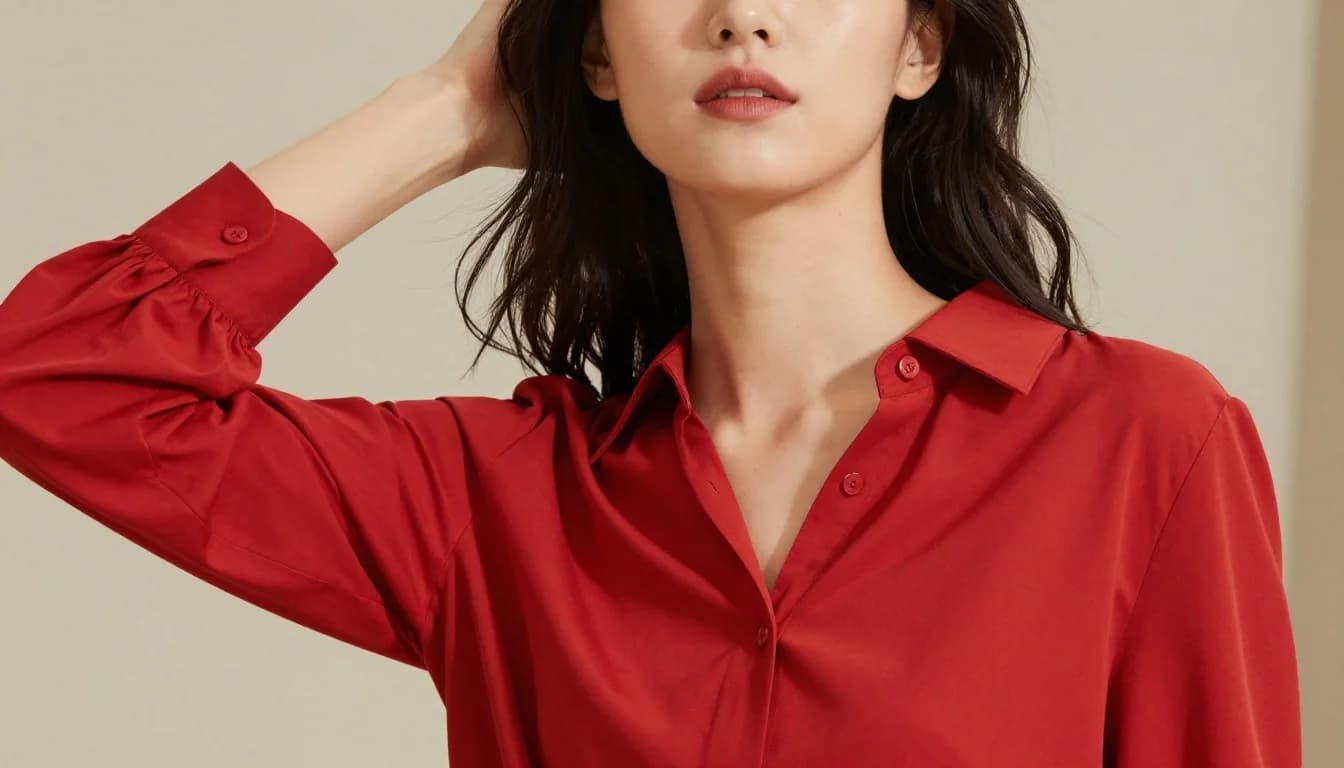
Your Best Shades of Red for for Cool Undertones
True Cool Crimson
True red — the classic red that leans neither warm nor cool but sits at the center of the spectrum with a slight blue pull — is one of the most flattering reds for cool undertones. The blue note in cool crimson aligns with the cool pigments in cool skin, creating a bright, clarifying contrast. Against fair cool skin, true crimson creates a classic, high-contrast look with unmistakable elegance.
Raspberry and Berry-Red
Raspberry and berry-red sit in the cool-to-neutral zone of the red family, with a slight pink pull that harmonizes beautifully with cool, pink-toned complexions. The berry quality amplifies the natural pink tones in cool skin without creating warmth conflict. These are particularly excellent for cool undertones in fair-to-medium skin depths — the pinkness of raspberry connects directly with the cool rosy quality in the skin.
Cool Burgundy and Wine
Cool burgundy — those with a blue or plum base rather than a brown-warm base — is a deeply flattering deep red for cool undertones. The blue depth of a cool wine resonates with cool skin's blue-pink base, creating richness rather than conflict. For cool undertones wanting a formal, sophisticated red, this is the go-to family. Dark plum-wine in particular creates a jewel-tone depth against cool skin that feels luxurious.
Cranberry and Cool Garnet
Cranberry and cool garnet are particularly good reds for deeper cool skin tones — medium to deep complexions with cool undertones. The depth of cranberry against cool medium skin creates a rich, flattering contrast with none of the warmth-conflict that brick or rust would create. Cool ruby and cool garnet have just enough depth to create visual impact while maintaining the blue-cool alignment that cool skin needs.
Ready to Find Your Best Colors?
Get Your Color AnalysisHow to Wear Red with Cool Undertones
Daily wear
A cool crimson or raspberry red top is one of the most flattering everyday options for cool undertones. The blue-cool alignment creates a brightening effect that makes cool skin look fresh and luminous without extra effort. Pair cool reds with cool neutrals — charcoal grey, navy, or soft white — which also align with cool undertones and allow the red to stand out cleanly.
Professional settings
Cool burgundy or deep wine is the professional power move for cool undertones. A blue-based burgundy blazer projects authority and sophistication while perfectly complementing cool skin. For a bolder professional statement, a clear cool crimson blazer communicates confidence and creates a memorable, striking look. Both options look impeccably polished against cool complexions.
Evening and occasions
For evening wear, cool garnet or cool ruby delivers depth and drama with perfect temperature alignment. Against cool skin in warm evening lighting, cool reds maintain their clarity rather than appearing warm or orangey. A deep cranberry or cool wine gown is one of the most universally elegant formal choices for cool undertones across all skin depths.
Metal and accessory pairings
Silver and white gold are the ideal metals for cool undertones in red — they share the cool temperature and create a cohesive, polished look. Rose gold can also work with raspberry and berry-red if you want some warmth in the accessories while keeping the clothing cool. Avoid heavy yellow gold with cool reds on cool skin, as the warmth can create temperature conflict.

Shades of Red to Approach Carefully
Orange-based warm red
Warm, orange-based reds — tomato, brick, warm vermilion — conflict directly with cool undertones. The orange warmth in these reds fights the blue-pink coolness of cool skin, creating a mismatch that can make the skin appear ruddy or dull. The conflict is most visible in natural daylight, where the undertone clash becomes immediately apparent.
Rust and terracotta red
Rust and terracotta sit at the warmest, most orange end of the red family — the exact opposite of what cool undertones need. Against cool, pink-toned skin, these earthy warm reds can look particularly discordant, making the skin appear greenish or unwell in some lights.
Very warm coral-red
Coral-red tilts further toward orange-warmth than most warm reds, making it a particularly difficult shade for cool undertones. The orange-peach quality of coral conflicts visibly with cool skin's blue-pink base. If you want a lighter red, look for a cool berry-red or raspberry instead.
Warm brick-red
Brick red has a distinctly brown-warm quality that resonates with warm and earthy complexions but creates undertone conflict with cool skin. The brownish warmth dulls cool complexions rather than brightening them. This is one of the most common red mistakes for cool undertones.
Stop Guessing, Start Wearing Your Colors
Discover Your PaletteRed Swaps for Cool Undertones
Trading warm reds that clash with cool skin for the cool reds that make it radiate.
Orange-warm reds conflict with cool undertones. Cool crimson and raspberry align with your skin's blue-pink base, creating a fresh, luminous effect instead.
Warm burgundy leans brown and earthy, conflicting with cool skin. A blue-based wine or burgundy resonates with cool undertones, creating sophisticated depth.
Warm scarlet and coral-red introduce orange warmth that clashes with cool complexions. Cool garnet and cranberry deliver the same impact with perfect temperature alignment.
Rust is the warmest, most orange end of red — the furthest from what cool undertones need. Berry-red and cool cherry stay in comfortable cool alignment for everyday wear.
Orange-red coats visibly conflict with cool undertones in daylight. A cool crimson coat creates striking, clarifying contrast that makes cool skin look radiant.
Warm red accessories introduce temperature conflict near cool skin. Raspberry and cranberry stay cool, complementing rather than conflicting with your undertone.
Which Palette Might Be Yours?
Cool undertones appear across several seasonal palettes, each with its own specific range of flattering reds. Identifying your season helps you find your exact cool-red range.
Cool Summer
Learn moreCool Summer has cool undertones with soft, muted quality. Your reds are cool but not vivid: soft raspberry, muted berry-red, and cool rose-red work better than bright or vivid reds. The muted quality of Summer coloring means saturated reds can overpower, while softer cool reds create an elegant, refined look.
Cool Winter
Learn moreCool Winter has cool undertones with high contrast and clarity. Your reds can be vivid and pure: true cool crimson, clear blue-red, vivid cherry, and deep cool burgundy all excel. The high contrast of Winter coloring means you can carry the most saturated and dramatic cool reds.
Deep Winter
Learn moreDeep Winter combines cool undertones with significant depth. Your reds are deep and clear: cool garnet, deep cranberry, and rich cool burgundy create the depth-on-depth contrast that Deep Winter coloring excels at. Both vivid and deep cool reds work for this high-contrast palette.
Find Your Exact Colors
Cool undertones in the right shade of red create a look of effortless clarity and luminosity — the cool base of the red aligns with the cool base of the skin, creating harmony rather than tension. The exact shade that makes your complexion radiate depends on how cool, how deep, and how saturated your specific coloring is. A personalized color analysis identifies precisely which reds create the most flattering effect for your individual cool undertone.
Get Your Color AnalysisFrequently Asked Questions About for Cool Undertones
What shade of red is best for cool undertones?
True cool crimson, raspberry, berry-red, cool burgundy, and cranberry are the most consistently flattering reds for cool undertones. These shades have a blue or neutral-cool base that aligns with cool skin's pink and blue pigments. Avoid orange-warm reds like brick, rust, and tomato, which create undertone conflict with cool complexions.
Can cool undertones wear classic red?
Yes — classic true red works beautifully for cool undertones, especially the version that sits slightly toward the blue-cool side. The blue pull in true red aligns with cool skin's undertones, creating a clarifying, luminous contrast. This is one of the most timeless and flattering red options for cool complexions.
Does cool burgundy work for cool undertones?
Absolutely. Cool burgundy — with a blue or plum base rather than a brown-warm base — is one of the most sophisticated and flattering deep reds for cool undertones. The blue depth resonates with cool skin's undertone direction, creating richness and elegance. Look for burgundy that leans toward wine or plum rather than earthy brown-brick.
What should cool undertones avoid in the red family?
Warm, orange-based reds are the main shades to avoid: brick red, rust, terracotta red, and coral-red all have orange warmth that conflicts with cool undertones. The conflict makes cool skin appear ruddy, dull, or slightly sickly. Stick to reds that pull toward blue, pink, or have a neutral-cool base.
What jewelry complements red on cool undertones?
Silver and white gold are ideal metals for cool undertones in red — the cool temperature of silver harmonizes with both the cool skin and the cool red. Rose gold works well with raspberry and berry-red tones. Yellow gold can create temperature conflict with cool reds on cool skin and is generally best avoided in this combination.
Is raspberry red good for cool undertones?
Yes — raspberry red is an excellent choice for cool undertones, especially for those with medium-fair cool skin. The pink-berry quality of raspberry amplifies the natural rosy tones in cool complexions, creating a fresh, flattering, and cohesive look. It is particularly good for Spring and Summer occasions when you want a vivid but not heavy red.