The Right Shade of Orangefor Olive Skin
Orange is one of the most polarizing colors in the wardrobe, and olive skin is where that polarization is most extreme. The wrong orange — vivid, neon, or too yellow-leaning — can turn olive skin sallow in seconds. The right orange — earthy, warm, and grounded — can make olive skin look like the most enviable complexion in the room. The difference is understanding exactly where within the orange spectrum your olive undertone finds its harmony. This guide breaks down which specific shades work, which fail, and why the chemistry between olive and orange is more precise than most people realize.
Discover Your ColorsWhy Orange Is Such a High-Stakes Color for Olive Skin
Olive skin carries a yellow-green or golden-green undertone beneath the surface. Orange, sitting adjacent to yellow on the color wheel, creates a relationship with olive undertones that can go two ways: harmony or clash. The harmony happens when orange is warm, earthy, and grounded — shades like burnt sienna, terracotta, and paprika. The clash happens when orange is vivid, neon, or so yellow-toned that it amplifies the sallow quality of the skin rather than enriching it.
Depth is the other critical variable. Olive skin typically has enough natural pigment that it demands colors with corresponding depth or richness. Flat, bright oranges — the kind that look like construction equipment — lack the complexity to complement olive's multi-dimensional undertone. They sit on top of the skin rather than harmonizing with it. Muted, earthy oranges work because they share the same complexity: both have multiple undertones layered together rather than a single flat hue.
The key insight is that olive skin is not simply "warm," which might suggest any orange would work. Olive is warm-complex — it contains green as well as golden tones — and that green element means purely warm or purely yellow-orange shades can turn unfortunate fast. The oranges that succeed on olive skin are those that contain a touch of earthiness, smokiness, or red-warmth to anchor them away from pure yellow-orange territory.
Your Best Shades of Orange for for Olive Skin
Terracotta
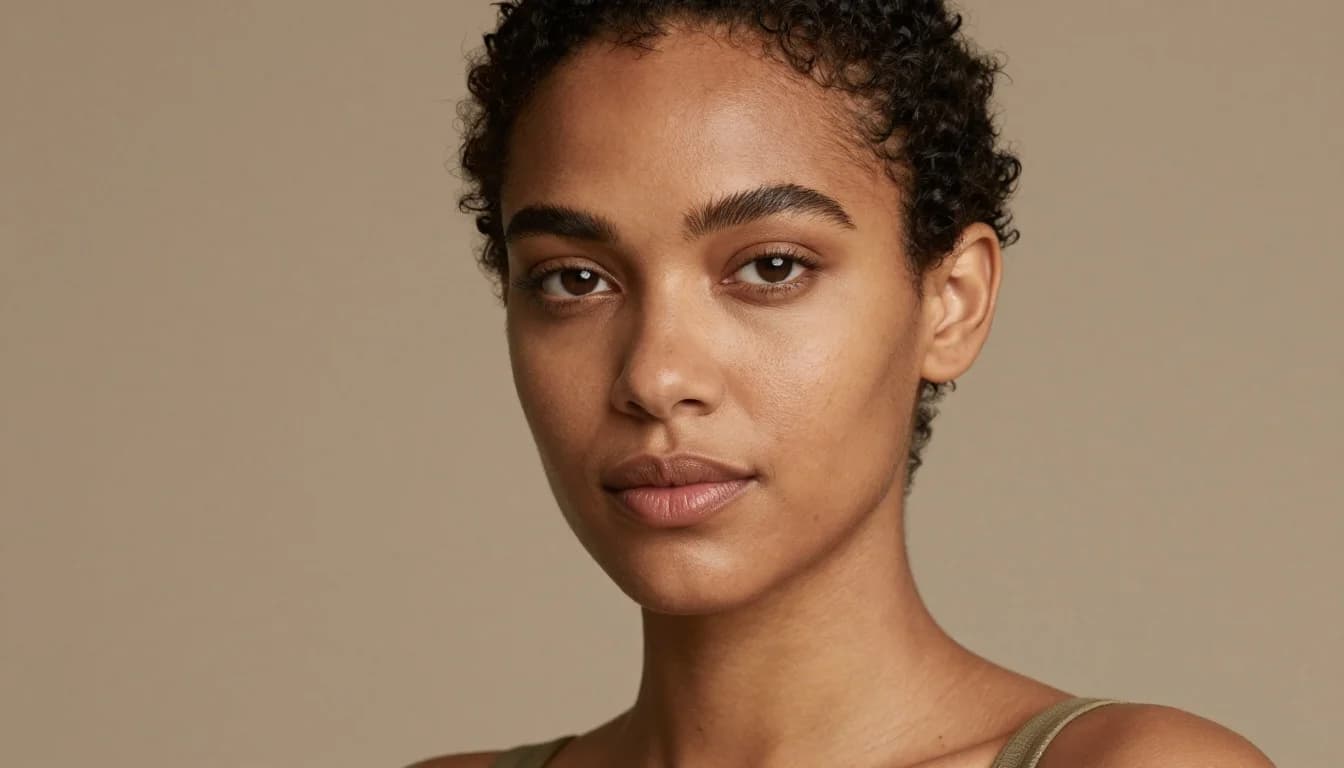
Terracotta is olive skin's most reliable orange. The red-brown warmth within terracotta aligns beautifully with the golden complexity of olive undertones, creating a resonance that looks intentional and rich. Unlike vivid orange, terracotta has earthy depth that matches olive skin's own layered quality. A terracotta blouse, knit, or dress next to olive skin has the quality of a perfectly matched natural palette — sun-warmed clay against warm-toned skin.
Burnt Sienna
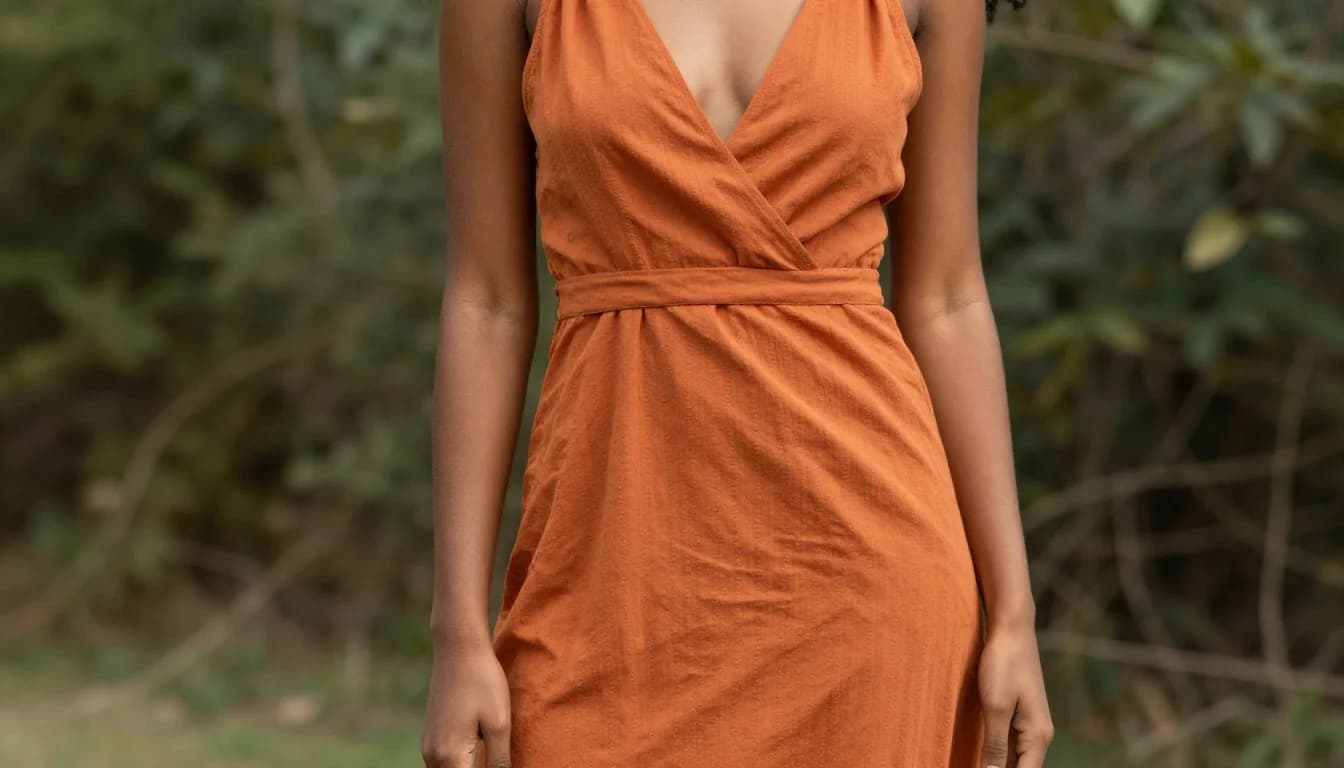
Burnt sienna and deep rust oranges give olive skin extraordinary warmth without tipping sallow. The brownish depth in these shades neutralizes any clash risk from pure orange, while the warmth still creates that orange-family glow. Deep rust is particularly strong on medium-to-dark olive skin where the richness of the color can meet the richness of the complexion. These are your autumn and professional-context oranges — grounded, sophisticated, and consistently flattering on olive.
Paprika
Paprika — the red-leaning end of orange — is a hidden strength for olive skin. Adding red warmth to orange grounds it away from the yellow-green zone that causes sallowness. Paprika creates a vibrant but harmonious relationship with olive undertones: warm enough to glow, complex enough to not clash. A paprika-colored top on olive skin has impact without the yellow-orange risk. Olive skin with cooler undertones handles paprika particularly well.
Amber
Amber sits at the warm-golden intersection of orange and yellow, and when it leans toward the deeper, honey-gold end, it can work beautifully on olive skin. The depth is essential — pale or washed-out amber reads yellow and tends toward sallow on olive. Rich, deep amber or saturated honey gold warms olive skin from within, creating a luminous effect. This is your warmth-maximizing orange choice for occasions when you want to lean into the glow.
Ready to Find Your Best Colors?
Get Your Color AnalysisHow to Wear Orange with Olive Skin
Daily wear
A terracotta or burnt sienna top — knit, blouse, or casual tee — is one of the most effortlessly flattering choices for olive skin in the everyday context. Pair it with warm neutrals: dark chocolate brown, deep olive, camel, or cream. The earthy orange against warm-neutral bottoms lets olive skin glow without any effort. Avoid pairing these oranges with cool grey or bright white, which creates temperature conflict.
Professional settings
Deep rust or paprika in a blazer or structured blouse is a powerful professional choice for olive skin. These red-leaning oranges carry enough gravitas for formal environments while creating warmth and confidence. A rust blazer over a cream or ivory blouse on olive skin is authoritative and distinctive. Pair with dark brown or charcoal trousers to ground the warmth.
Evening and occasions
For evening, go full-depth: a rich amber, deep terracotta, or paprika dress on olive skin in good lighting creates genuine luminosity. The warmth of these shades picks up the glow in olive undertones beautifully. Pair with yellow gold or rose gold jewelry — warm metals always. A burnt sienna silk or satin piece at an evening event makes olive skin look radiant.
Seasonal context
Autumn is the natural home for orange on olive skin — terracotta, rust, and paprika feel completely at home in fall light. But these shades work year-round: terracotta in spring, rust linen in summer, deep amber in winter. The key is adapting the fabric and weight, not abandoning the color family. Orange on olive skin is not seasonal — it is a permanent strength.
Shades of Orange to Skip
Vivid neon orange
Bright, flat, high-saturation orange — the kind seen on traffic cones or Halloween decorations — introduces a harshness that olive skin cannot soften. The vivid orange amplifies the green-yellow undertone of olive rather than harmonizing with it, pushing the complexion toward sallow or muddy. The more neon it is, the more it clashes.
Yellow-orange (mango, citrus)
Oranges that tip heavily toward yellow — mango, tangerine, citrus — sit too close to the yellow end of olive's own undertone. Rather than creating contrast or harmony, they amplify the sallow quality of the skin. The result looks washed out or unwell. Save these for accessories or prints only, where the quantity is minimal.
Pale or washed-out peach-orange
Desaturated oranges — peach, apricot, washed-out coral — lack the depth to hold their own against olive skin's natural richness. They tend to blend into the skin rather than complement it, creating a flat, dull appearance. Olive skin needs color with substance; pale orange has none.
Cool-toned tangerine
Some tangerine shades have a fluorescent quality that introduces a cool, almost neon edge. On olive skin, this creates an unfortunate chemical clash between the cool fluorescence and the warm-green undertone. If a tangerine looks like it belongs on a lifeguard vest, it will not work for olive skin.
Stop Guessing, Start Wearing Your Colors
Discover Your PaletteOrange Swaps for Olive Skin
Trading the orange shades that clash for the ones that make olive skin glow.
Vivid tangerine amplifies olive's sallow risk. Terracotta has earthy depth that harmonizes with olive undertones instead of fighting them.
Flat bright orange lacks the complexity for olive skin's multi-dimensional undertone. Rust and paprika have the red-warmth that makes the pairing polished.
Neon orange clashes with olive's green undertone in a way that no amount of styling can fix. Amber and burnt sienna create warmth and luminosity instead.
Yellow-orange pushes olive skin toward sallow. Burnt sienna achieves warmth without the yellow-orange clash by adding brown depth.
Bright pumpkin is too vivid and too yellow for olive skin. Deep terracotta or rust delivers the orange impact with the grounded quality olive undertones need.
Pale peach-orange lacks depth and blends unflattering with olive skin. Deep amber creates a warm accent that enhances rather than dulls.
Which Palette Might Be Yours?
Olive skin spans multiple seasonal palettes depending on the specific undertone and overall coloring depth. Your best orange shades depend on which seasonal identity fits you.
Warm Autumn
Learn moreWarm olive skin with golden undertones and warm-toned hair and eyes typically falls in Warm or Soft Autumn. Your oranges are earthy and golden: terracotta, burnt sienna, paprika, and deep amber all sit naturally within your palette. Warm Autumn olive skin looks particularly strong in oranges with an earthy or vintage quality.
Deep Autumn
Learn moreDeeper olive skin with high natural pigment, dark hair, and dark eyes often lands in Deep Autumn. Your oranges can go richly saturated and deep: deep rust, dark terracotta, rich amber. The depth of your coloring can anchor very intense oranges that would overwhelm lighter complexions.
Soft Autumn
Learn moreMuted olive skin with a softer contrast between hair and skin may fall in Soft Autumn. Your oranges should be toned down: dusty terracotta, muted adobe, soft cinnamon rather than vivid rust. The muted quality of Soft Autumn's palette aligns with the earthy subtlety that olive skin handles best.
Find Your Exact Colors
The right shade of orange on olive skin is one of the most striking combinations in color dressing. Whether your olive runs warm and golden or cooler and more complex, there is a specific zone within the orange family that will make your skin look luminous rather than sallow. A personalized color analysis identifies exactly where in the orange spectrum your olive undertone finds its best partner.
Get Your Color AnalysisFrequently Asked Questions About for Olive Skin
What shade of orange is best for olive skin?
Terracotta, burnt sienna, and paprika are the most flattering shades of orange for olive skin. These earthy, grounded oranges harmonize with olive's golden-green undertone rather than amplifying its sallow risk. Avoid vivid, neon, or yellow-leaning oranges, which can make olive skin look muddy or washed out.
Can olive skin wear orange?
Yes — when the shade is right. Earthy, muted, and red-leaning oranges (terracotta, rust, paprika, burnt sienna) are excellent choices for olive skin. Vivid, neon, and yellow-orange shades are the ones to avoid. The key is choosing oranges with depth and warmth rather than brightness.
Does orange wash out olive skin?
Pale, vivid, or yellow-orange shades can wash out or muddy olive skin. Earthy, saturated, and red-leaning oranges do the opposite — they create warmth and luminosity. Depth is the key factor: flat bright orange clashes, while rich and grounded orange harmonizes.
Is terracotta a good color for olive skin?
Terracotta is one of the best colors for olive skin overall, not just in the orange family. The earthy red-brown warmth of terracotta resonates naturally with olive undertones, creating a harmonious and effortlessly flattering combination. It is a reliable choice for everyday wear, professional settings, and everything in between.
Should olive skin wear burnt orange?
Yes — burnt orange (especially the sienna and rust varieties) is a strong choice for olive skin. The red-brown depth of burnt orange neutralizes the clash risk of pure orange while maintaining warmth. Burnt orange in deeper, earthier variations is particularly striking on medium to dark olive skin.
What metals pair with orange on olive skin?
Warm metals — yellow gold, rose gold, antique gold, copper — are ideal with orange on olive skin. They reinforce the warm harmony between the earthy orange and olive undertones. Silver and white gold can create a cool-warm conflict that disrupts the natural warmth of the combination.