Best Ombre forPale Skin
Pale skin has a delicate, often translucent quality that makes it uniquely responsive to hair colour — both positively and negatively. The right ombre can make a pale complexion look porcelain and luminous; the wrong choice can make it appear washed out, sallow, or stark. Pale skin comes in two main undertone families — cool pink-pale and warm peachy-pale — and each responds to different ombre palettes. The key is identifying which quality of paleness you have and choosing ombre transitions that enhance rather than drain your natural complexion.
Discover Your ColorsWhy Ombre Colour Temperature Is Critical for Pale Skin
Pale skin has relatively little melanin, which means it shows colour relationships with hair in a heightened way. On deeper skin tones, the contrast between hair and skin absorbs some of the tonal difference and creates natural visual interest. On pale skin, there is less natural contrast, which means the colour temperature of the hair becomes the dominant visual element around the face. A cool ombre on cool-pale skin can make the complexion look stark or even bluish; a warm ombre on warm-pale skin can make it glow as if lit from within.
The undertone distinction within pale skin is crucial. Cool-pale skin with pink or bluish undertones belongs in the cool-season palettes (cool summer, cool winter, or light summer) and responds to ombre shades that are cool, ashy, or neutral-cool — think platinum blonde, cool ash, or beige-blonde. Warm-pale skin with peachy or golden undertones belongs in warm-season palettes (light spring, warm spring) and responds to warm, golden, and strawberry-toned ombre shades instead.
Avoiding "washing out" is the primary challenge for pale skin with ombre. This happens when the ombre end shade is too close to the skin tone in both depth and temperature — a very light, cool blonde ombre on cool-pale skin can make face and hair blur together without definition. Adding a slightly warm quality to the ends, or ensuring there is sufficient depth at the roots, gives pale skin the contrast it needs to appear defined and glowing rather than flat and washed out.
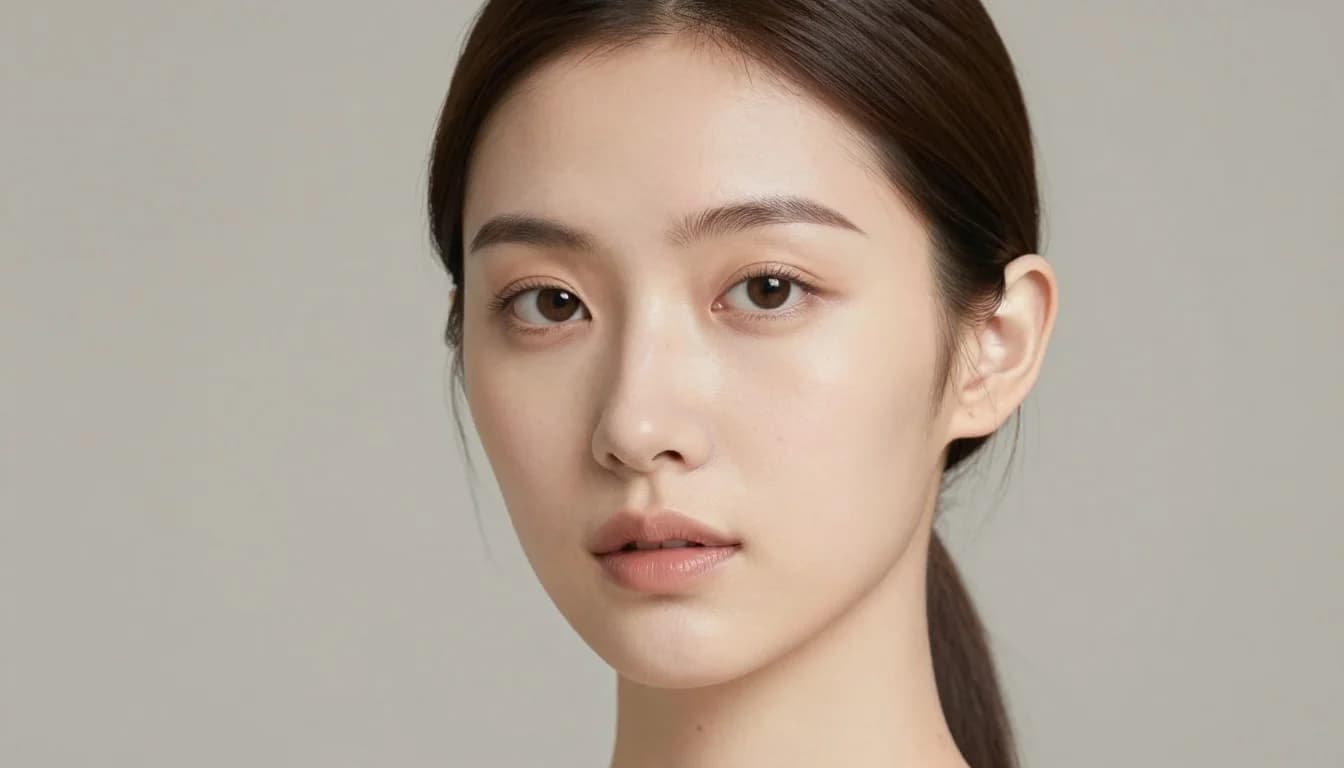
Your Best Ombre Shades for Pale Skin for Pale Skin
Strawberry Blonde and Peach
Strawberry blonde and peachy ombre transitions are particularly magical on warm-pale and even neutral-pale skin. The soft pinkish-golden warmth in strawberry blonde echoes the rosy quality that gives pale skin its characteristic glow. This is the ombre equivalent of wearing your best flush-inducing colour — it makes pale skin look animated, healthy, and luminous. For warm-pale skin specifically, strawberry blonde ombre is one of the most flattering hair transitions possible.
Warm Honey and Golden Blonde
Golden honey blonde ombre is supremely flattering on warm-pale skin because the golden warmth adds colour to the complexion rather than washing it out. Honey and golden tones have enough depth and warmth to create definition against pale skin while remaining light enough to maintain a sun-kissed, ethereal quality. This is an ideal ombre for pale skin that skews peachy or golden in its undertone.
Platinum and Pearl (Cool-Pale Skin)
For cool-pale or neutral-pale skin with pink undertones, platinum and pearl ombre can look stunning — a striking, deliberately monochromatic effect where hair and skin exist in the same cool palette. This is a high-fashion, editorial look that works when fully committed to: the overall aesthetic is pale, cool, and ethereal. Cool-pale skin is the only complexion type where platinum ends are truly flattering, as they echo rather than clash with the cool quality of the skin.
Light Caramel and Warm Brown to Blonde
Light caramel and warm sandy blonde transitions work for pale skin that needs warmth and definition without going too dramatic. The light caramel adds a subtle warmth and depth that makes pale skin look more defined and glowing while remaining natural and effortless. This is the "no makeup makeup" of ombre for pale skin — enhancing without overwhelming.
Ready to Find Your Best Colors?
Get Your Color AnalysisGetting the Most From Ombre on Pale Skin
Define the face with warmth or contrast
Pale skin requires some contrast or warmth at the face frame to avoid looking washed out. If your ombre is very light overall (like platinum on cool-pale skin), ensure the roots have sufficient depth to create a distinction between hair and skin. If your ombre is on the lighter end, add face-framing warmth — honey highlights specifically placed around the jaw and cheekbones — to create definition that prevents a washed-out effect.
Embrace balayage over harsh ombre
Pale skin is most flattered by balayage-style ombre with very soft, gradual transitions rather than stark banding. A sudden, visible line between dark roots and light ends creates an unnatural, harsh effect on pale complexions. Soft, painted balayage transitions that blend seamlessly through the mid-lengths are universally more flattering for pale skin regardless of undertone.
Coordinate makeup with your ombre temperature
Match your makeup temperature to your ombre: warm strawberry blonde or honey ombre pairs with warm peach blush, warm nude lips, and copper or bronze eyeshadow. Cool platinum or ash ombre pairs with cool berry lip, cool mauve blush, and cool-toned eyeshadow. A temperature mismatch between hair colour and makeup creates an incoherent look that reads as unpolished rather than styled.
Use clothing contrast strategically
Pale skin with a light ombre benefits from wearing deeper, richer colours near the face to create the contrast that pale skin lacks naturally. Dark jewel tones — deep teal, rich burgundy, deep forest green — create beautiful framing for pale skin with light ombre. Avoid wearing very light colours near the face if your ombre is also very light, as this removes all contrast and can make the face appear to disappear into the background.
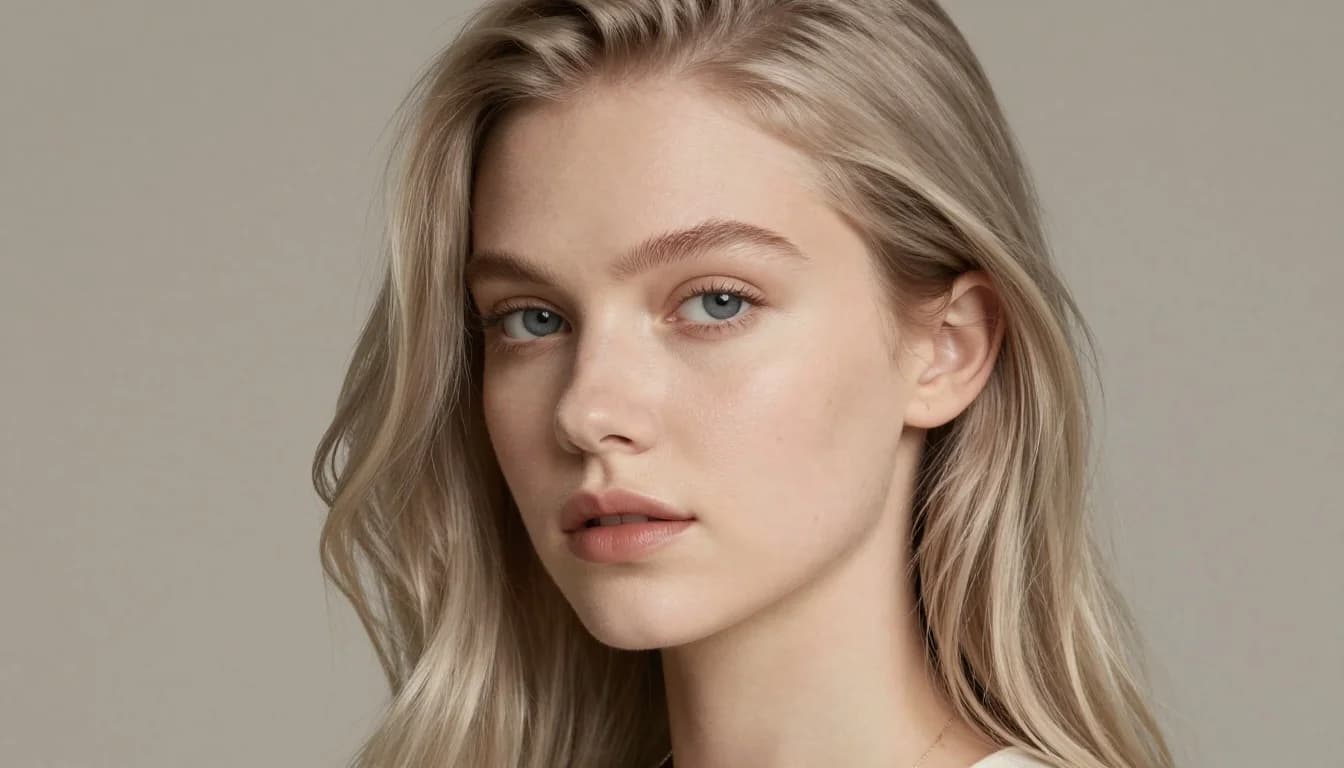
Ombre Shades That Drain Pale Skin
Warm honey or caramel on cool-pale skin
While honey and caramel are flattering on warm-pale skin, they can clash on cool-pale or bluish-pale complexions by adding unwanted warmth that makes the skin look yellowish or unwell. Cool-pale skin needs cool or neutral ombre tones rather than warm golden ones.
Muddy brown mid-tones
Ombre on pale skin requires clean, clear transitions. Muddy, flat brown mid-tones that lack either warmth or coolness create an unflattering, heavy mid-section in the gradient that makes pale skin appear dull and lifeless. The transition should move through clean, clear colour — warm or cool — rather than flat, murky brown.
Very dark roots with abrupt fade
Harsh, very dark roots combined with an abrupt, banded transition to light ends can create a stark, theatrical effect on pale skin that looks unnatural and unflattering. Pale skin needs gradual, blended ombre transitions — the gentler the fade, the more natural and flattering the result. Very dark roots work on pale skin only when the transition is exceptionally smooth and gradual.
Heavily cool grey or blue-toned ombre
Distinctly blue or grey-toned ombre — beyond the subtle cool ash that works on cool-pale skin — creates an unflattering blue or grey cast that makes pale skin appear cold and unwell. Grey and blue tones in hair amplify any coolness in pale skin to the point where the complexion looks sickly rather than porcelain.
Stop Guessing, Start Wearing Your Colors
Discover Your PaletteOmbre Swaps for Pale Skin
Trading draining or clashing tones for alternatives that make pale complexions look luminous.
Ash blonde removes warmth and makes warm-pale skin look yellow or sallow. Warm honey adds a golden quality that makes peachy-pale skin look lit from within.
Warm caramel can make cool-pale skin look orangey or unwell. Cool platinum stays in the same temperature family as cool-pale skin, creating a cohesive, ethereal look.
Flat light blonde on pale skin creates a washed-out, undefined look. Strawberry blonde and warm peach at the face frame add a flush of colour that makes pale skin appear animated and healthy.
Muddy transitions look heavy and dull against pale skin. Clean caramel or beige-brown keeps the gradient light, clear, and flattering throughout.
Harsh dark roots create a dramatic, unnatural contrast on pale skin that looks stark. Soft medium roots with a gradual transition look more natural and more flattering for pale complexions.
Blue and grey tones make pale skin look cold and unwell. Soft pearl (for cool-pale) or warm ash (for neutral-pale) provide subtle coolness without the blue quality that drains pale complexions.
Which Palette Might Be Yours?
Pale skin appears across both cool and warm seasonal palettes. Your specific seasonal type determines whether your ombre should lean warm, cool, or neutral — and how much depth is most flattering.
Light Summer
Learn moreCool-pale or neutral-pale skin with soft, muted colouring often falls in Light Summer. Your best ombre uses soft, cool or neutral blonde tones: cool ash, soft beige-blonde, or muted golden. Avoid warm or intense shades — soft, low-contrast gradients are most flattering for light summer colouring.
Light Spring
Learn moreWarm-pale or neutral-pale skin with peach or warm undertones often falls in Light Spring. Your best ombre uses warm, clear, light tones: honey blonde, strawberry blonde, warm wheat. Keep ends light and warm — your colouring suits delicate, clear warmth over depth or coolness.
Cool Winter
Learn moreVery pale skin with strongly cool, blue-pink undertones and high contrast may fall in Cool Winter. Your best ombre uses high-contrast cool tones: dark roots transitioning to cool platinum or icy ash. This is the palette where platinum ends on pale skin is genuinely dramatic and flattering rather than washing out.
Find Your Exact Ombre for Pale Skin
Pale skin is not a single category — it encompasses cool pinkish-pale, warm peachy-pale, neutral-pale, and everything in between. The exact ombre transition and end shade that looks most luminous on your pale complexion depends on your specific undertone, your natural contrast level, and your seasonal colouring. A personalised colour analysis identifies these factors precisely and gives you the exact shade language to communicate with your colourist — ensuring your ombre makes your pale skin look porcelain and glowing rather than washed out.
Get Your Color AnalysisFrequently Asked Questions About Pale Skin
What ombre colours look best on pale skin?
The best ombre for pale skin depends on undertone: warm-pale skin looks best with strawberry blonde, honey, and warm golden ombre; cool-pale skin looks best with cool ash blonde, platinum, or pearl ombre; neutral-pale skin can use either soft warm or soft cool tones. The common thread is avoiding extremes that wash out or create harsh contrast — gradual, soft transitions are universally flattering for pale skin.
Can pale skin do dark ombre?
Yes — pale skin can use darker roots in an ombre, but the transition must be gradual and soft rather than harsh and abrupt. A dark-to-light ombre on pale skin looks most flattering when the dark is used at the roots and transitions very gradually through mid-lengths to lighter ends. The most common mistake is a harsh, banded line between dark and light, which looks unnatural and stark on pale complexions.
Does platinum blonde ombre work on pale skin?
Platinum blonde ombre works specifically on cool-pale skin with pink or blue undertones — it creates a deliberately monochromatic, ethereal effect where hair and skin exist in the same cool palette. On warm-pale or peachy skin, platinum can look too stark and can create a yellow-cool clash. Warm-pale skin is better served by honey or strawberry blonde rather than platinum.
How do I avoid looking washed out with ombre on pale skin?
Avoid looking washed out by ensuring some contrast or warmth at the face frame, choosing ombre shades that complement rather than match your skin temperature, and ensuring root depth provides definition. Strawberry blonde or warm honey near the face adds natural colour to pale complexions. Additionally, wearing deeper clothing colours near the face creates the visual contrast that makes pale skin with light ombre look defined rather than flat.
Is balayage better than ombre for pale skin?
Balayage-style application is generally more flattering for pale skin than traditional stark ombre because the transitions are softer and more gradual. Harsh ombre banding looks unnatural on pale complexions. A balayage with ombre-like gradation — painted softly through the lengths — creates the dimensional colour of ombre with the natural-looking blending that pale skin requires.
Should pale skin go lighter or darker with ombre?
Both directions work for pale skin depending on the goal. Lightening (dark roots to light ends) is the classic ombre and creates a sun-kissed, dimensional effect. Darkening (adding depth at roots when base is already light) creates definition and contrast that prevents a washed-out look. For very pale skin with naturally light hair, adding root depth to an existing light base can be particularly flattering as it provides the definition that pale skin sometimes lacks.